

ESENGO NA MESA
Joy at the Table
For us, that joy starts with hospitality. With feeding people well, making room, having enough to share, and using food as a way of welcoming people in.
For this installation, we gathered people at our home studio, in North London, in an area shaped by generations of African and Caribbean life. We’re using food as the starting point for a wider conversation about diaspora, memory and the different versions of home we carry with us.
Through dishes, sound, drink, objects and visual references, we’re exploring the meeting point between African and European life, and the things that were created when those worlds began to overlap.
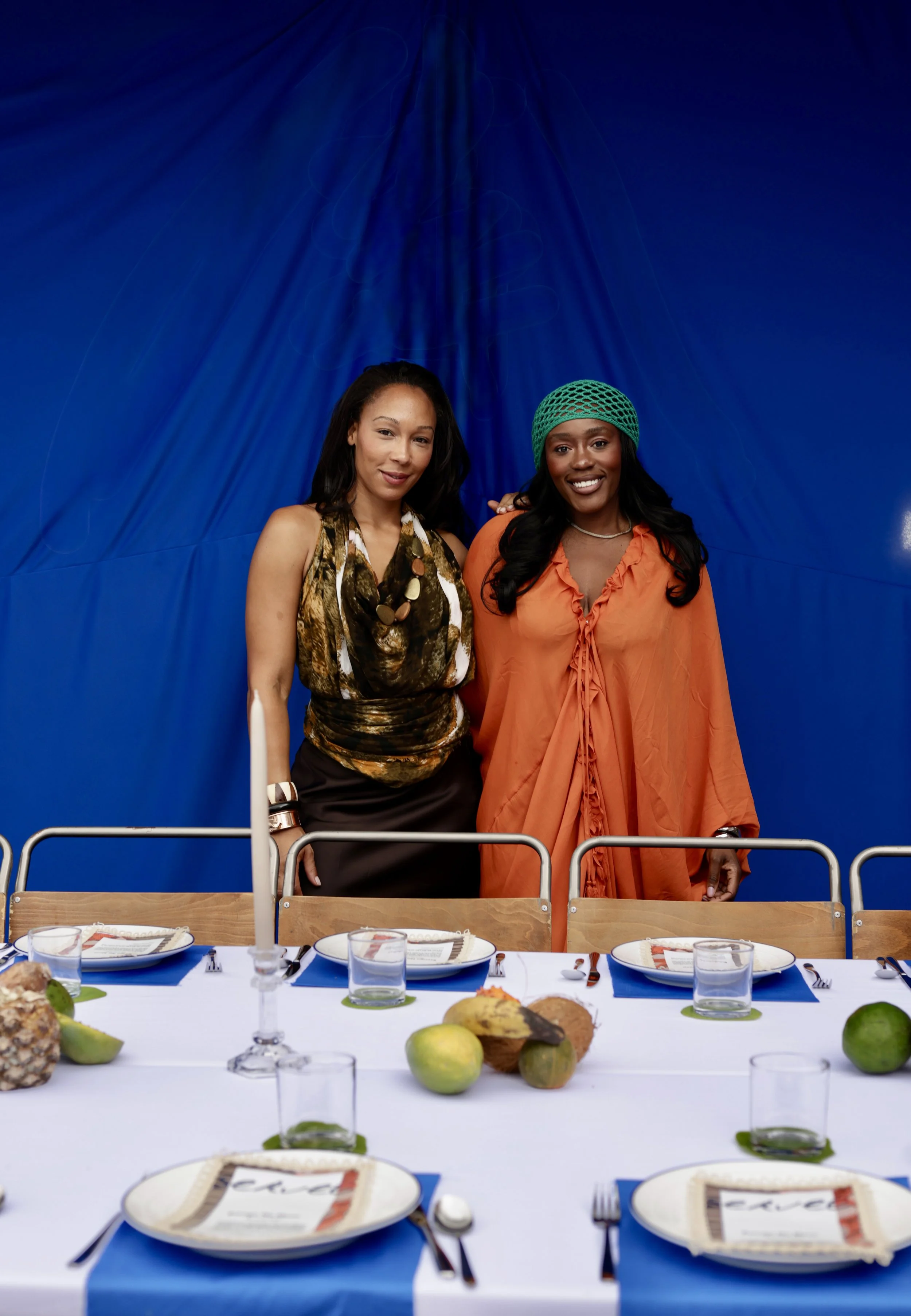
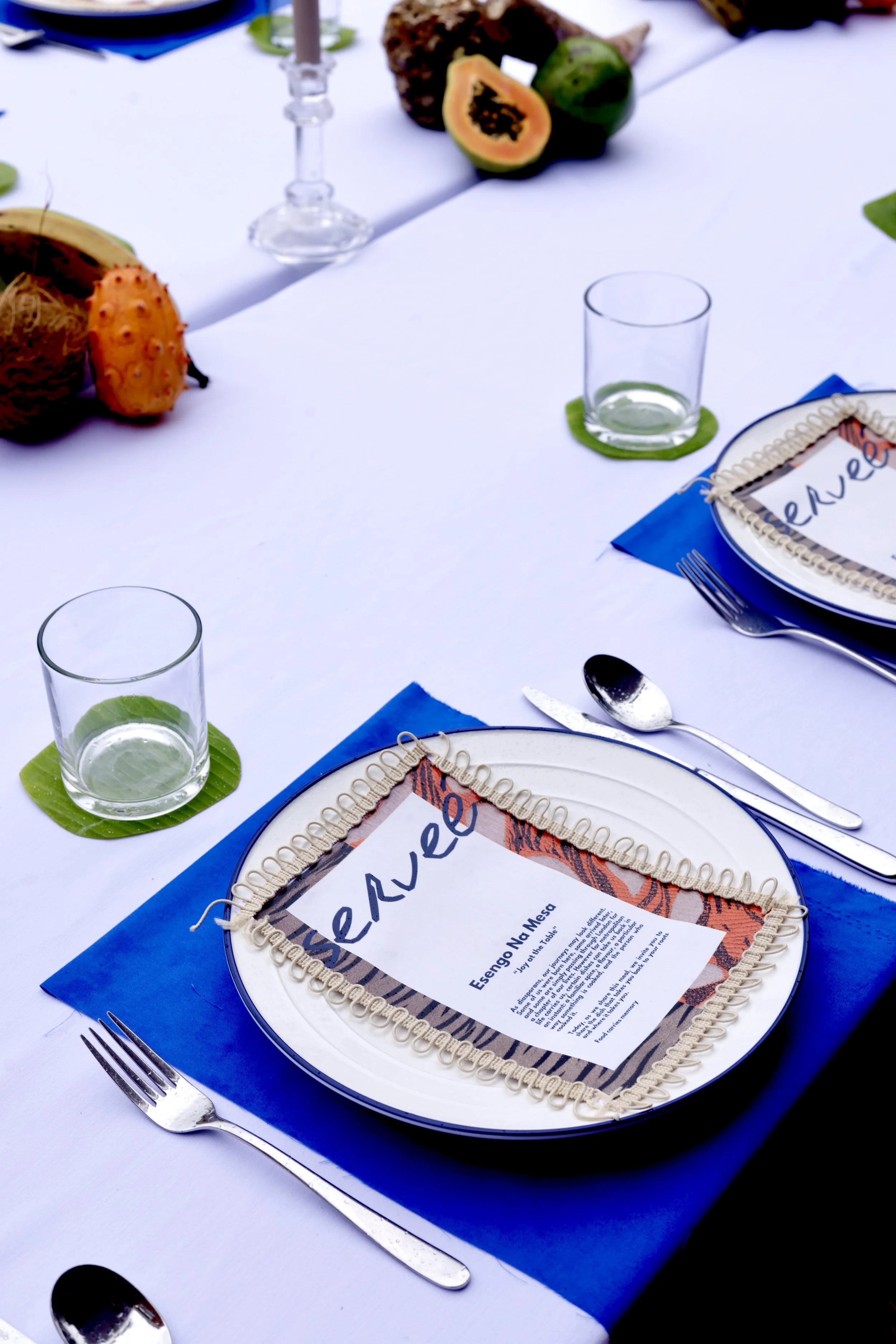
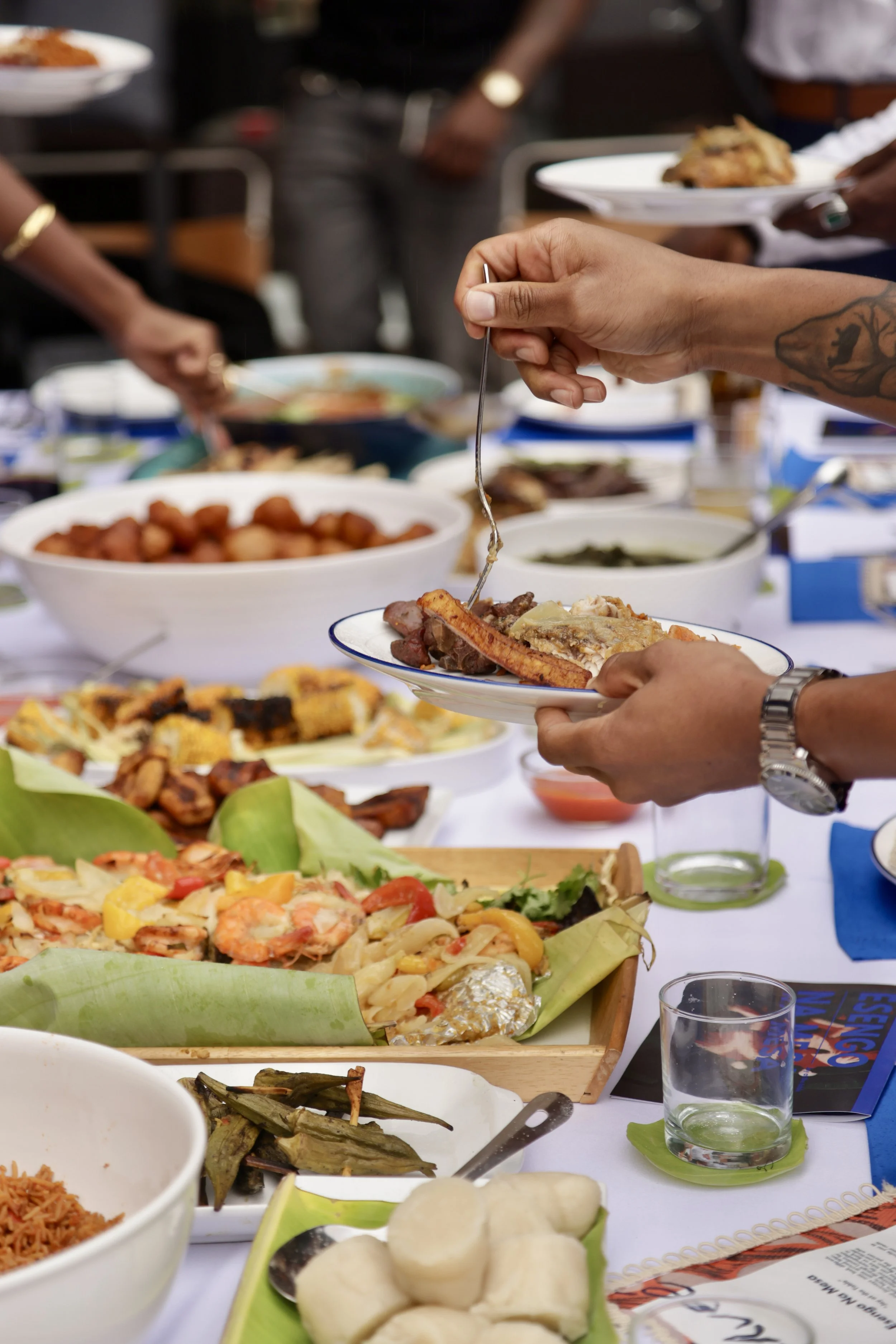
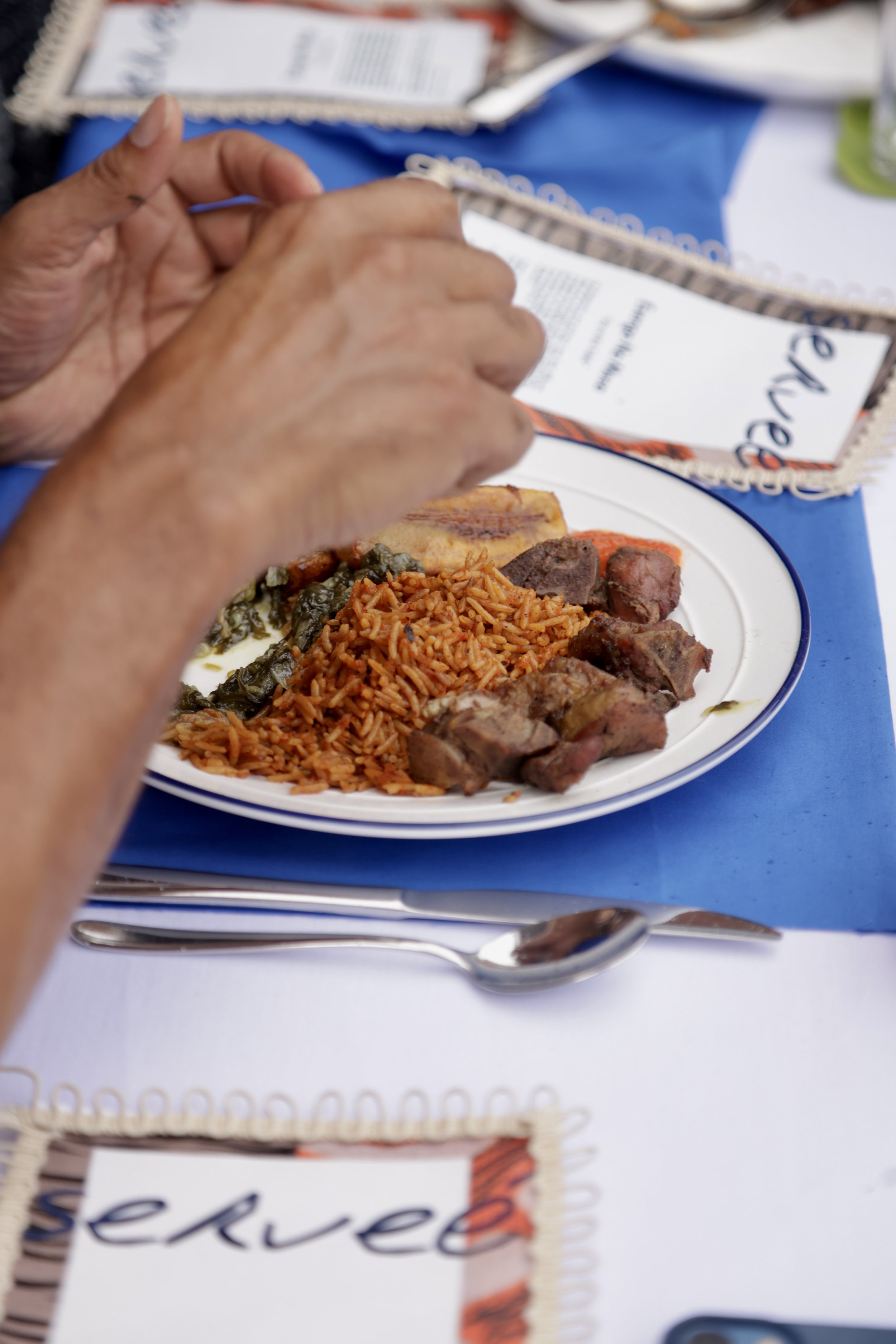
THE LONG TABLE
When we think back to the gatherings we grew up around, we don’t really remember everyone sitting neatly around one table.
We remember plates on laps. People eating at different times. Kids moving around. Music playing. Food being reheated, passed around and added to as the day went on.
There was always food, and there was always enough.
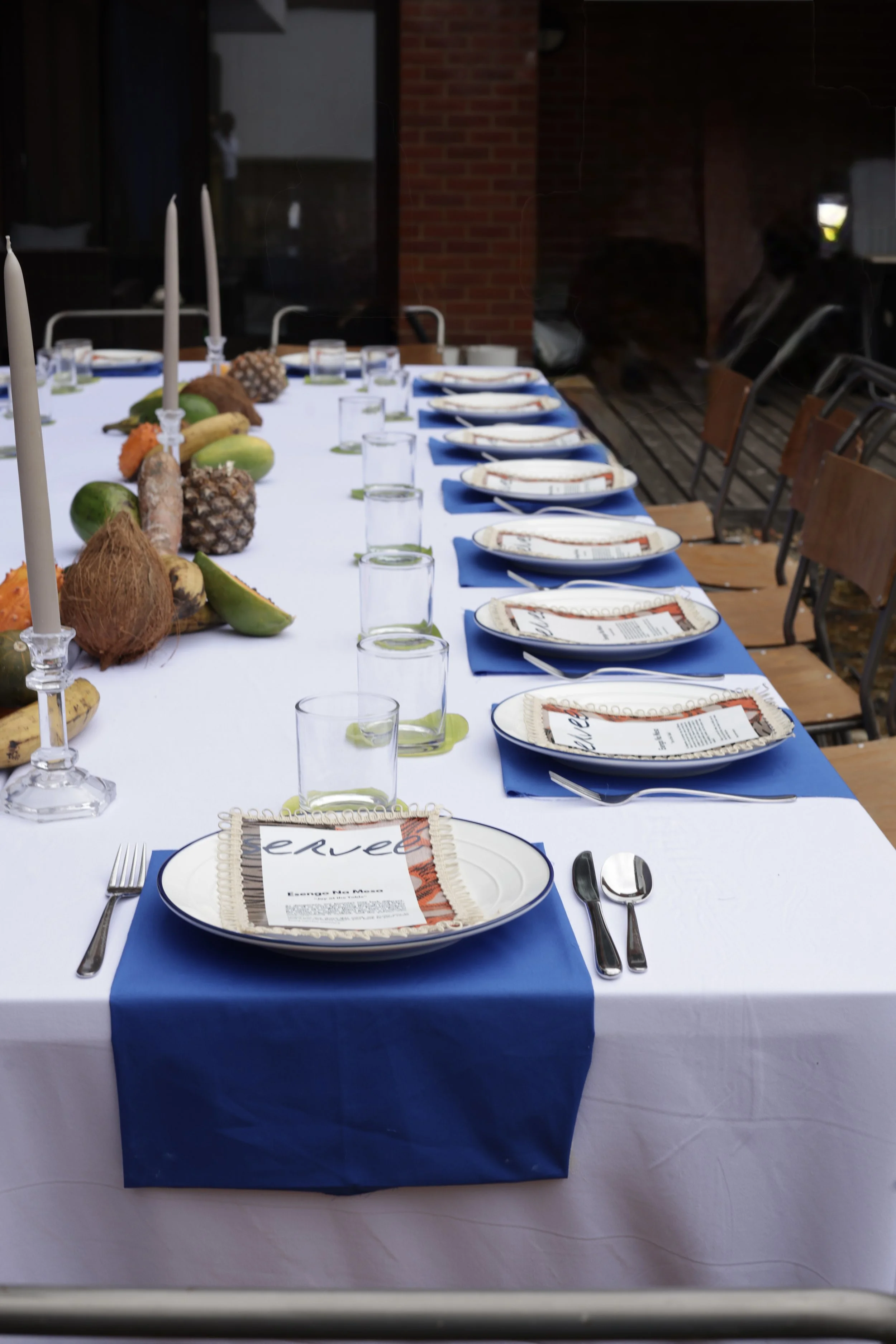
For this installation, we wanted to slow that feeling down and bring everyone to one table.
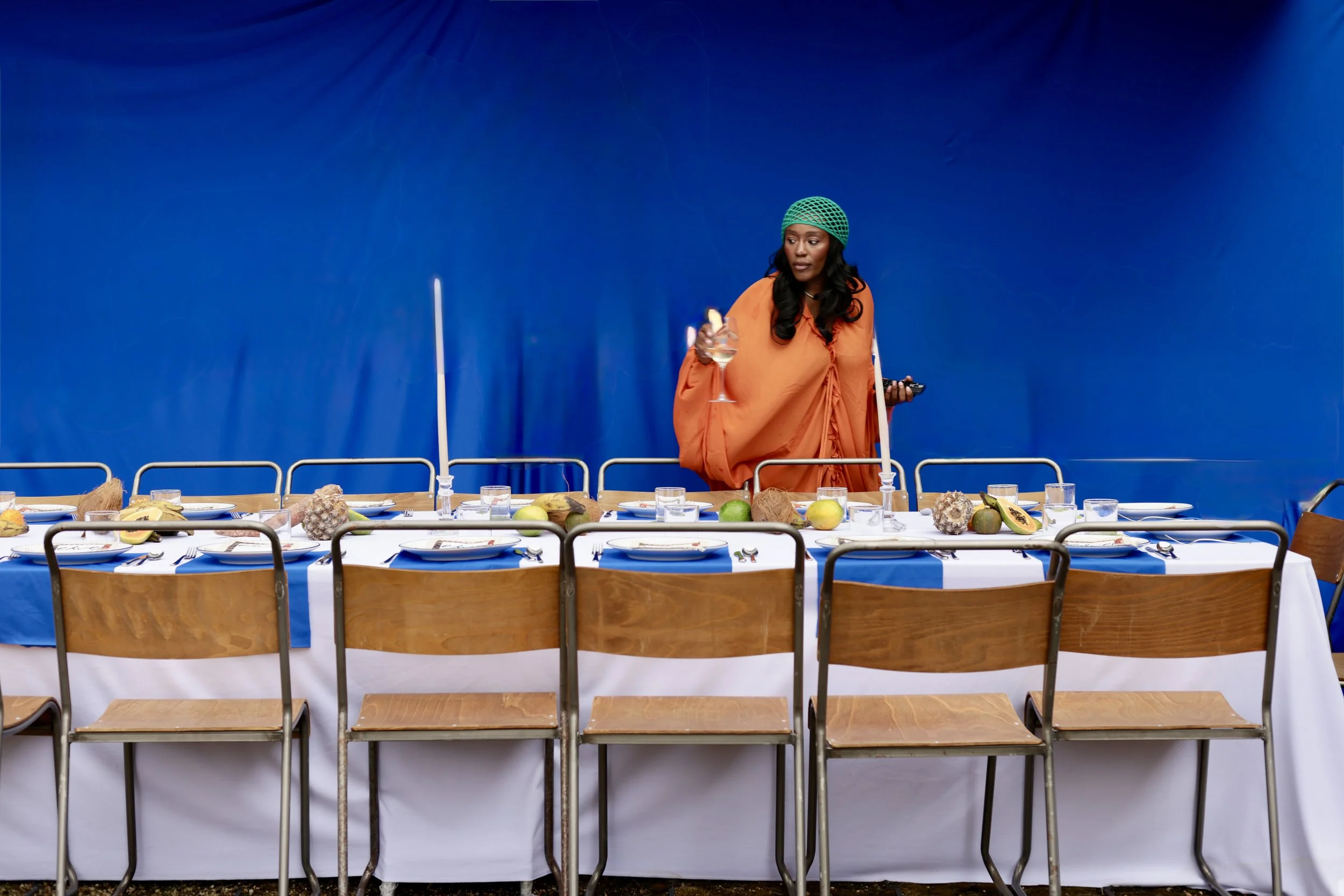
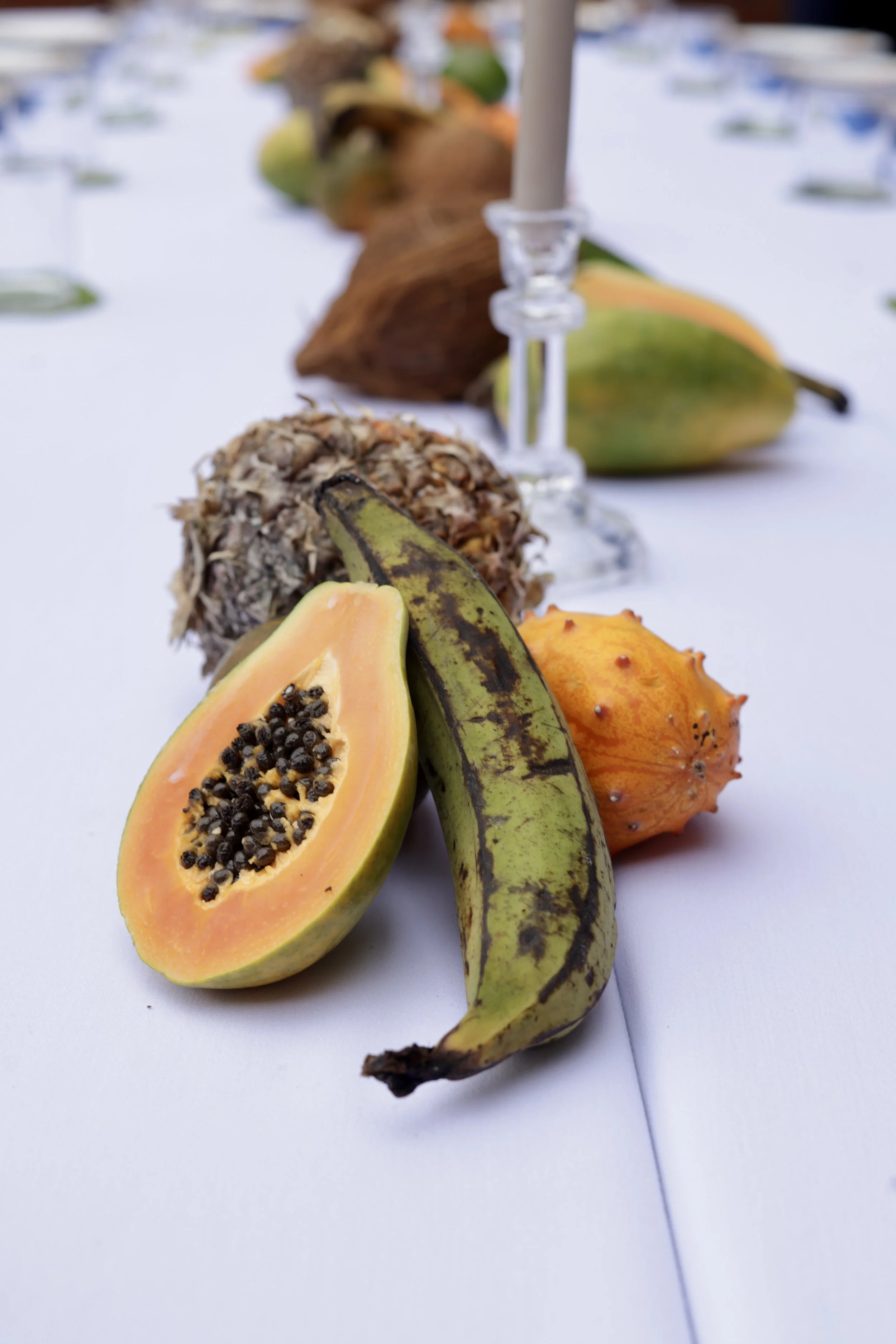
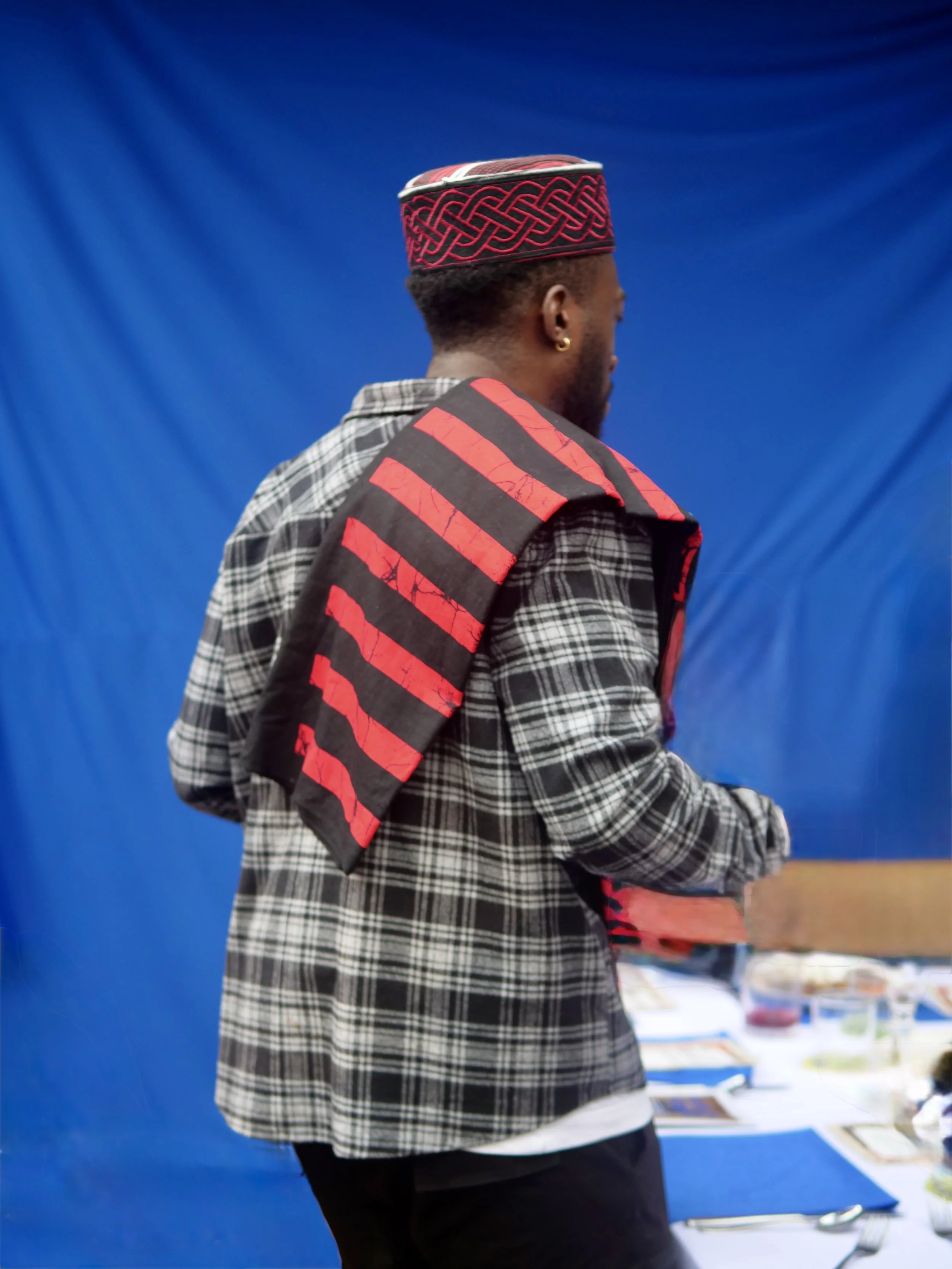
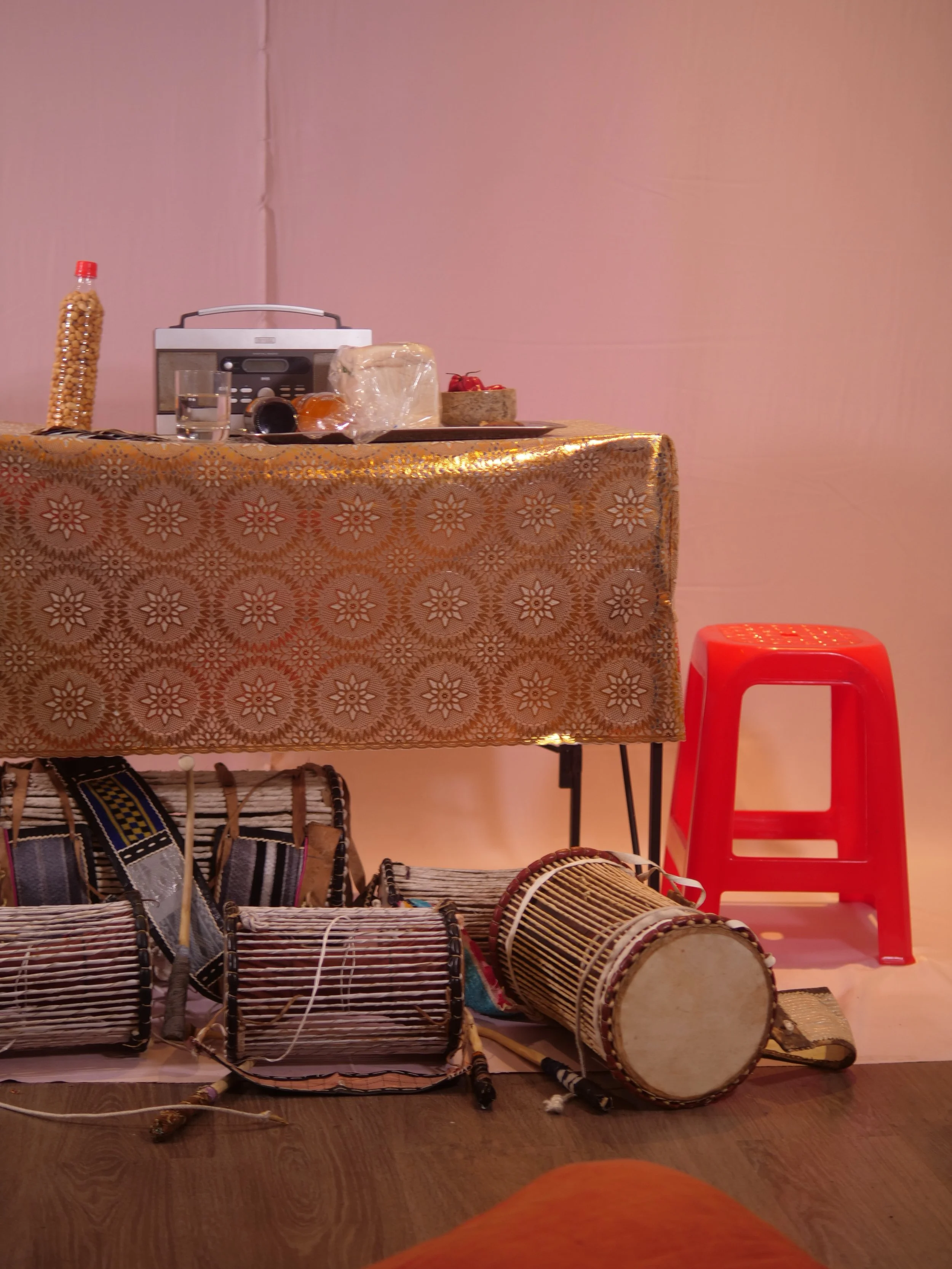
The long table becomes a contemporary expression of that same generosity, with dishes, flavours, textures and memories sitting alongside one another. Food from across the continent becomes the starting point for conversation, connection and, hopefully, a little bit of joy.
SERVEÈ X UCHE RUM
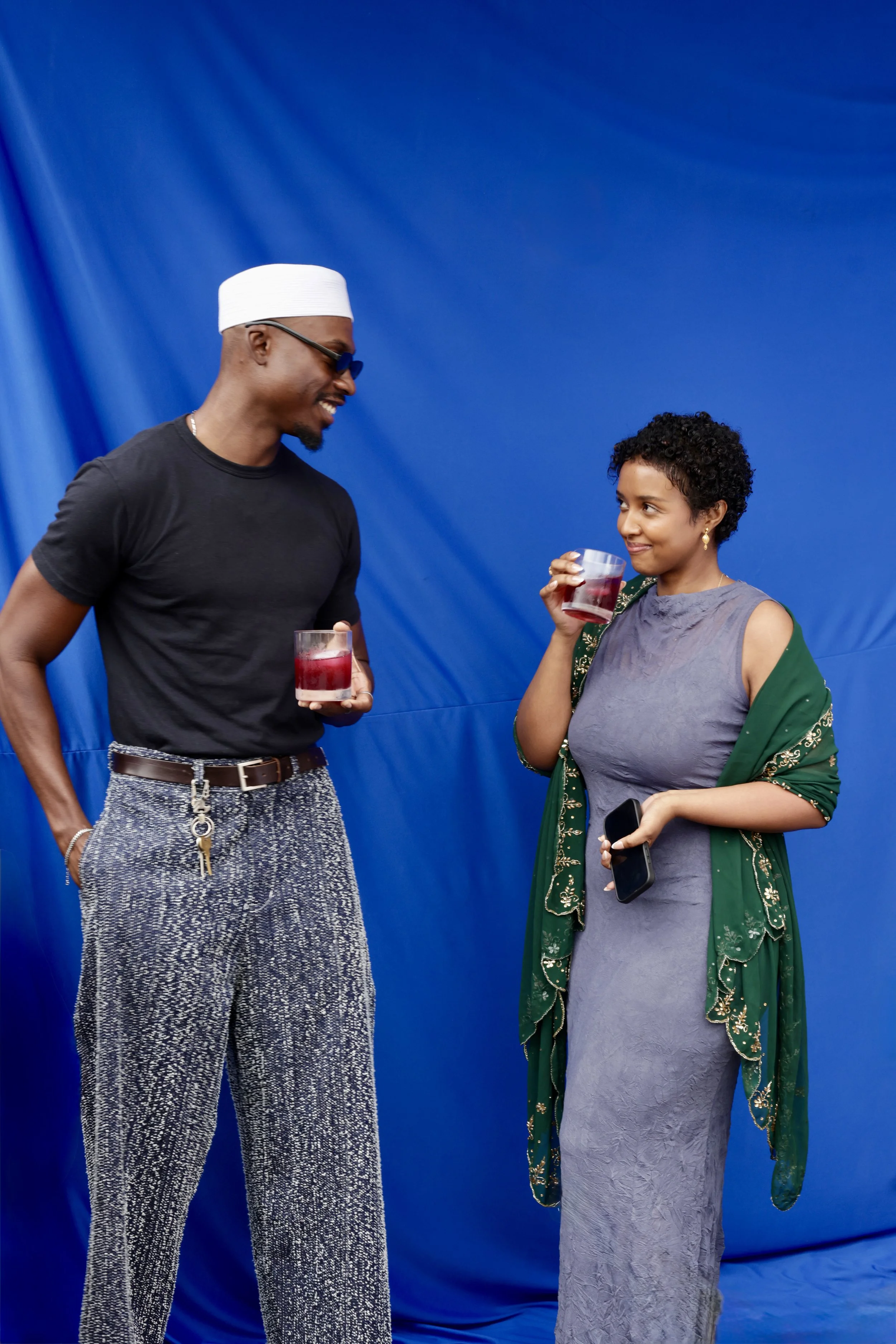
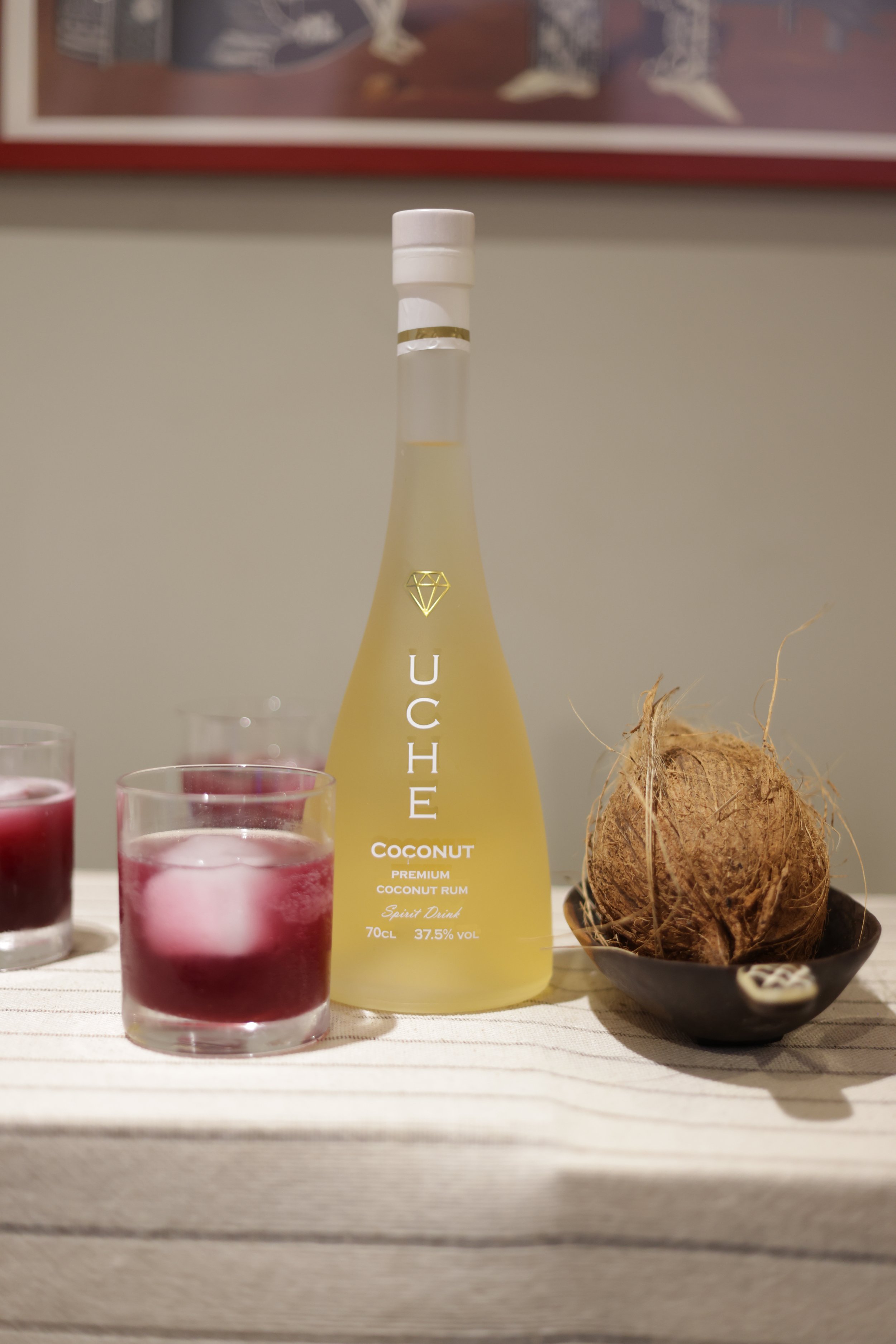
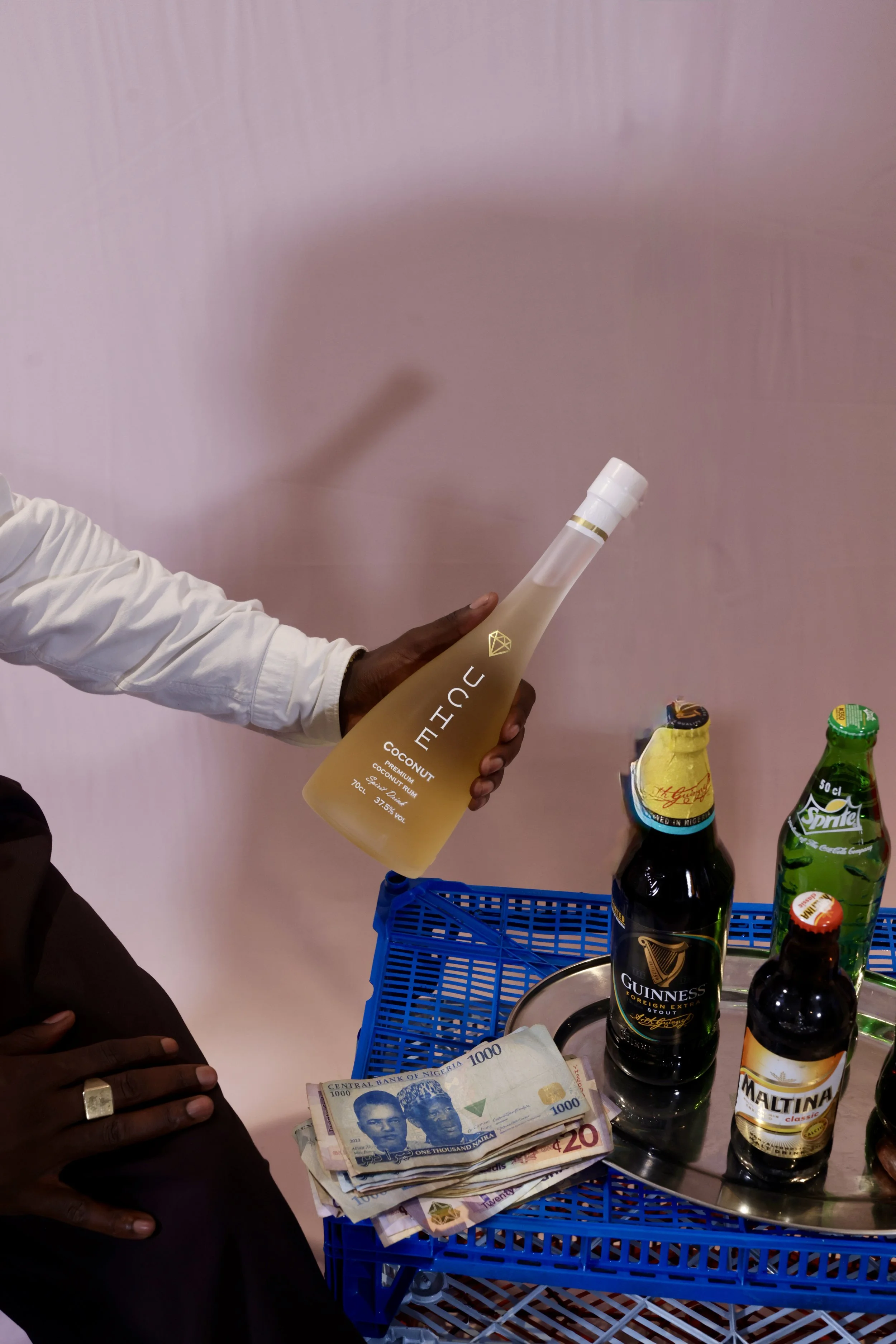
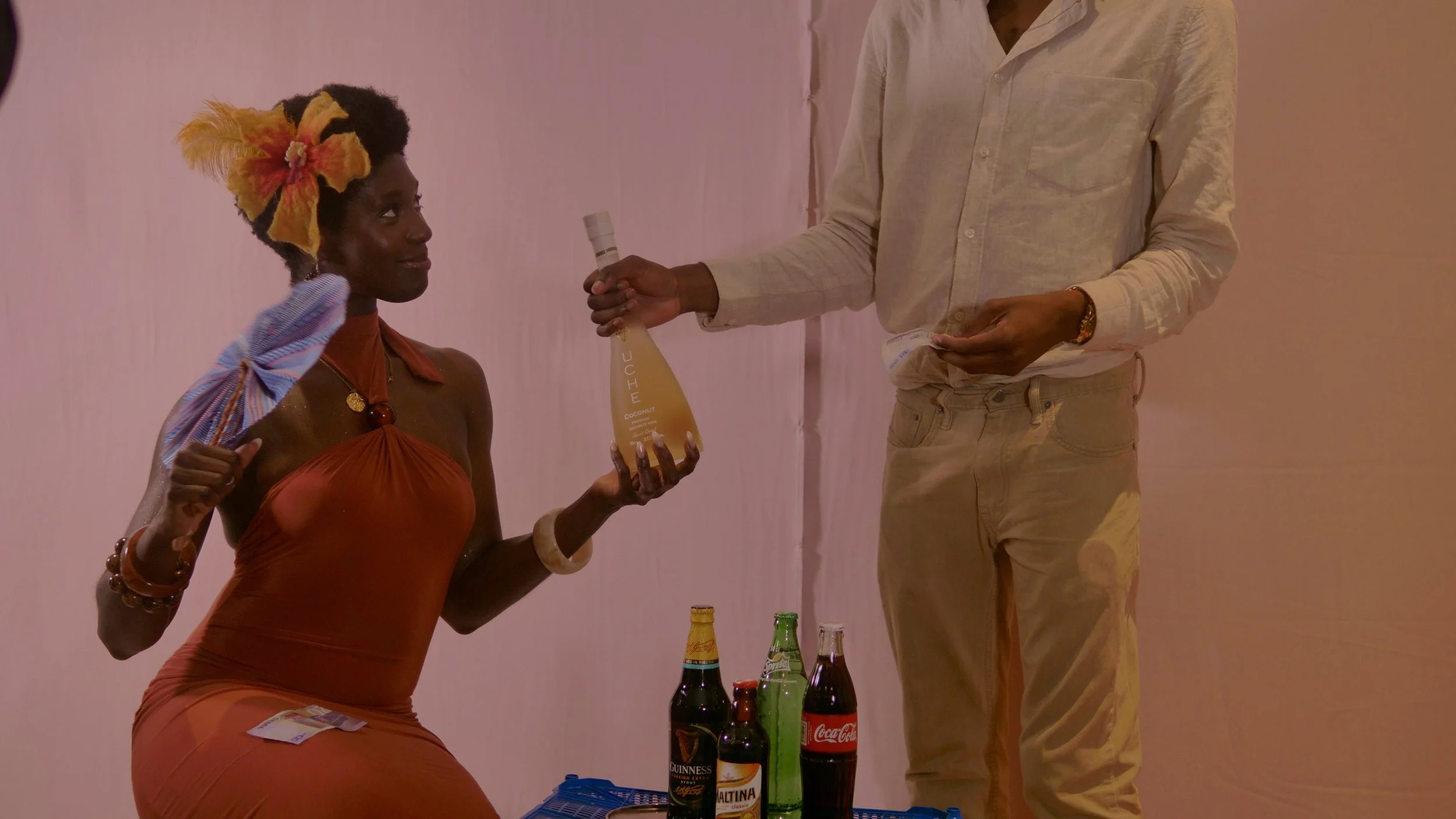
Alligator Pepper Iced Rum
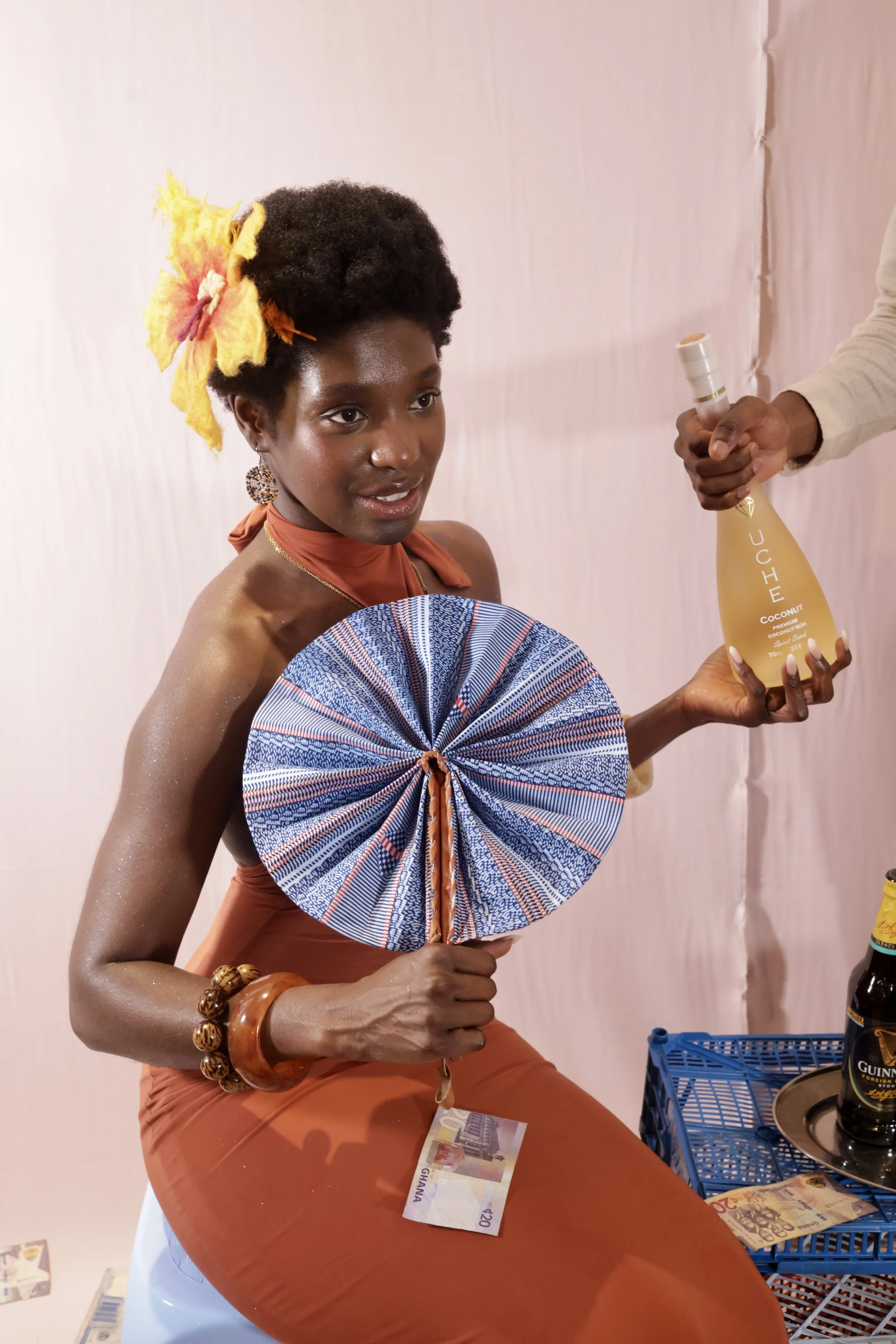
Uche is a coconut rum rooted in Nigerian and Igbo heritage, with Uche meaning will or intention.
For many of our families, coming to Europe was never one simple story. People came for education, work, family, opportunity and the possibility of building a new life.
And often, they came with a clear intention for what that life could become — and the will to make it happen.
The education pursued. The qualifications gained. The homes built. The families raised. The businesses started. The money sent home or invested back.
All of it became part of the story.
For many of our parents, settling here wasn’t always easy. For us, there is still plenty to unpack, but there is also plenty to recognise in how we are growing, healing, building and creating while carrying different connections to the places our families come from.
Our Alligator Pepper Iced Rum plays with that same sense of character. The alligator pepper brings heat, bite and depth — qualities that, to us, feel familiar within the diaspora too.
The energy. The humour. The style. The sound. The rhythm. The life we have brought with us and made our own in London.
SOUND CARRIES MEMORY TOO
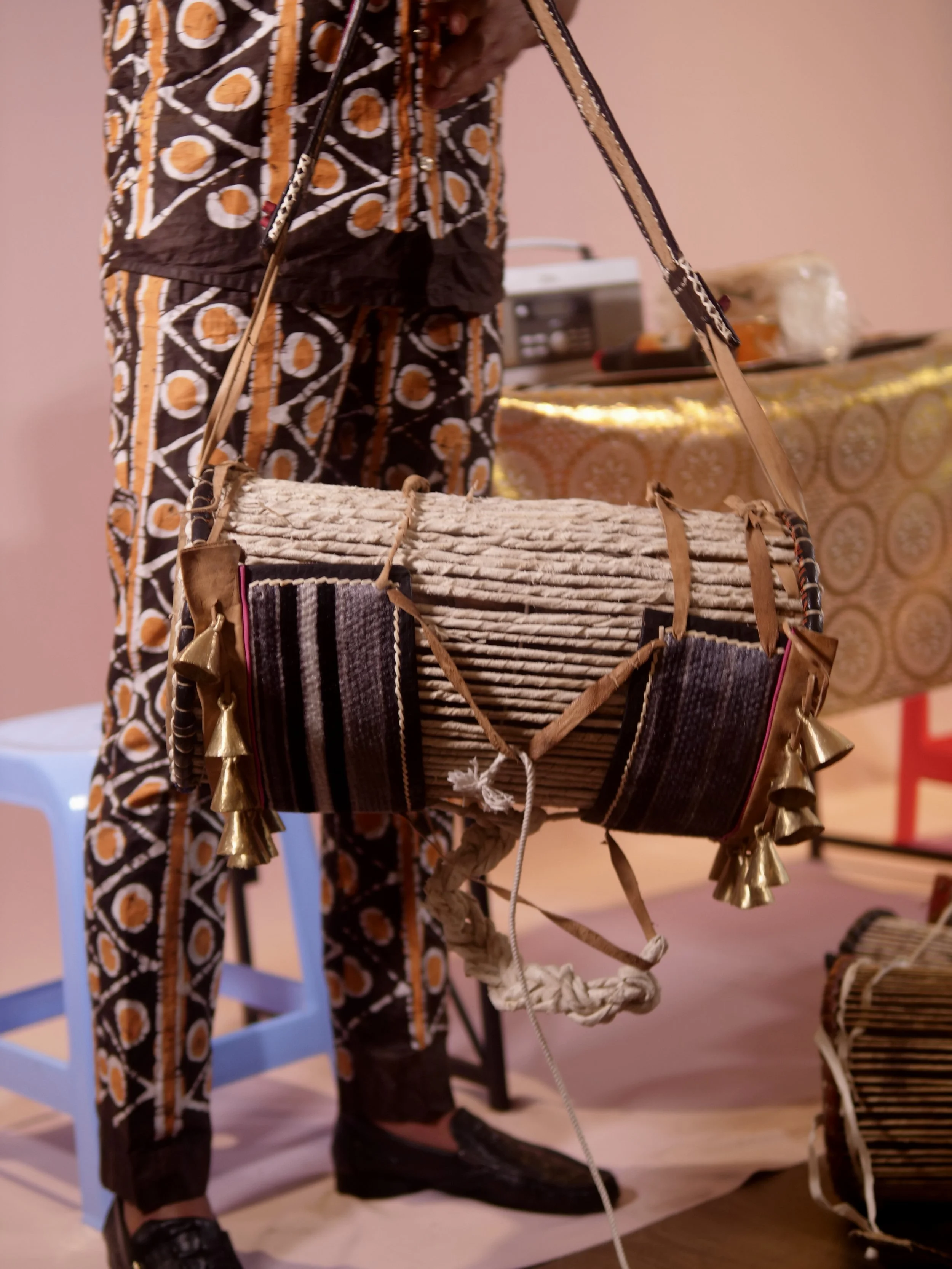
When we think back to the gatherings we grew up around, there was always music. It was loud, joyful and just as much a part of the atmosphere as the food.
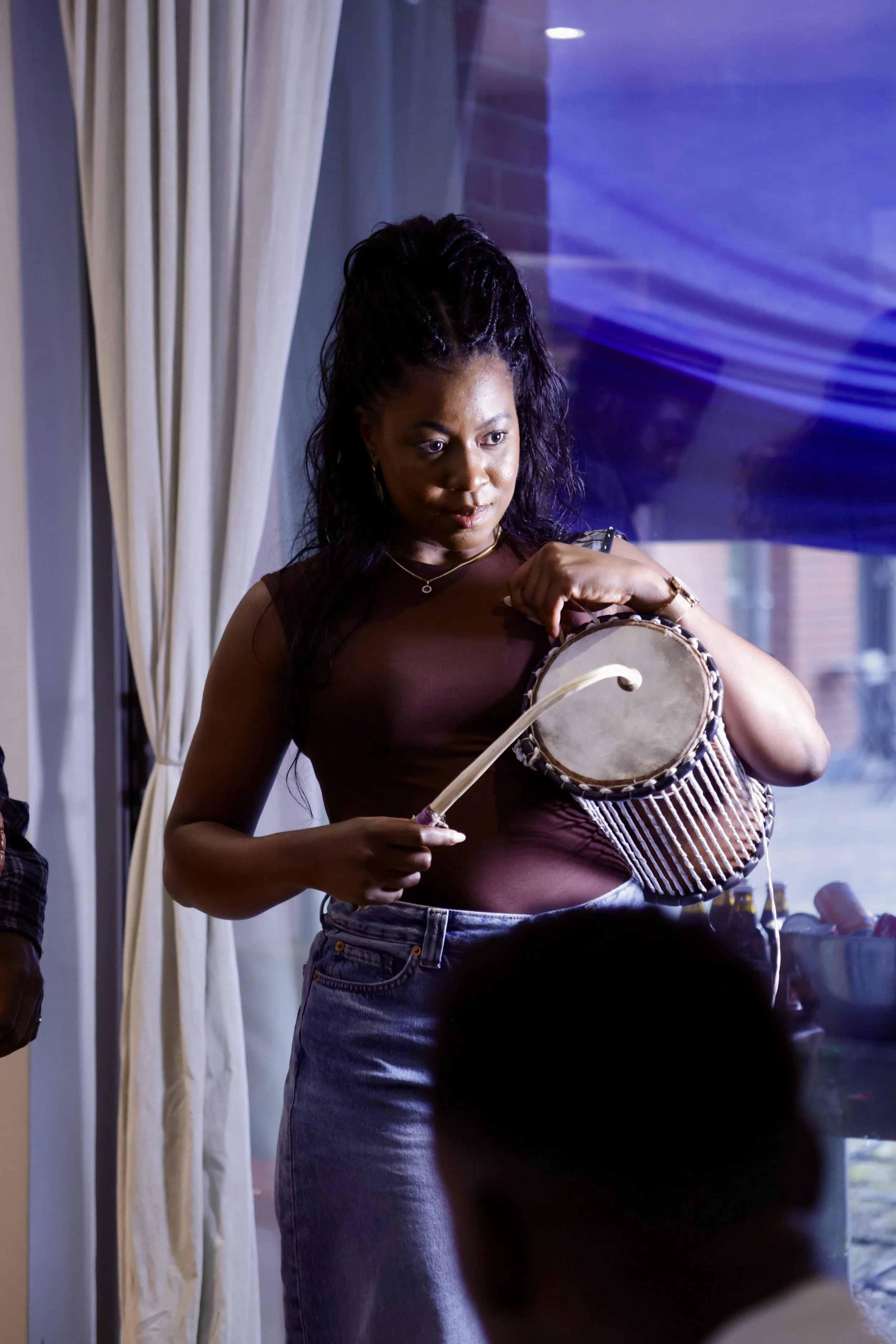
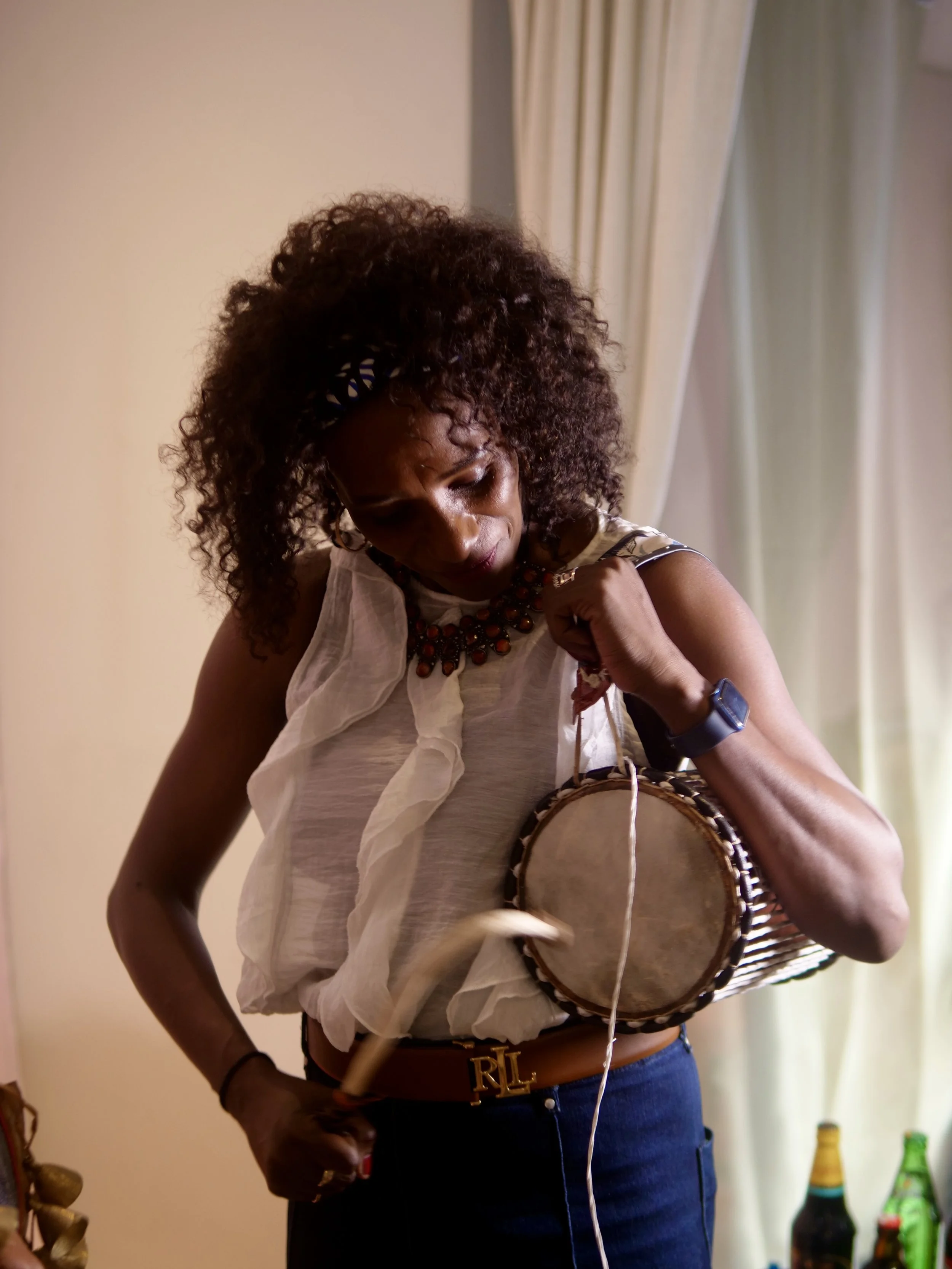
Joy was expressed through both. Across many African cultures, rhythm and percussion have long been part of how people gather, celebrate, communicate and remember. For this installation, the Yoruba talking drum becomes part of that story. Its ability to echo the tones and rhythms of spoken Yoruba gives sound its own language. Just as food can take you somewhere through taste, music and rhythm can take you somewhere through sound.
A song. A beat. A familiar rhythm. Suddenly, you’re somewhere else.
AFRICAN VINTAGE
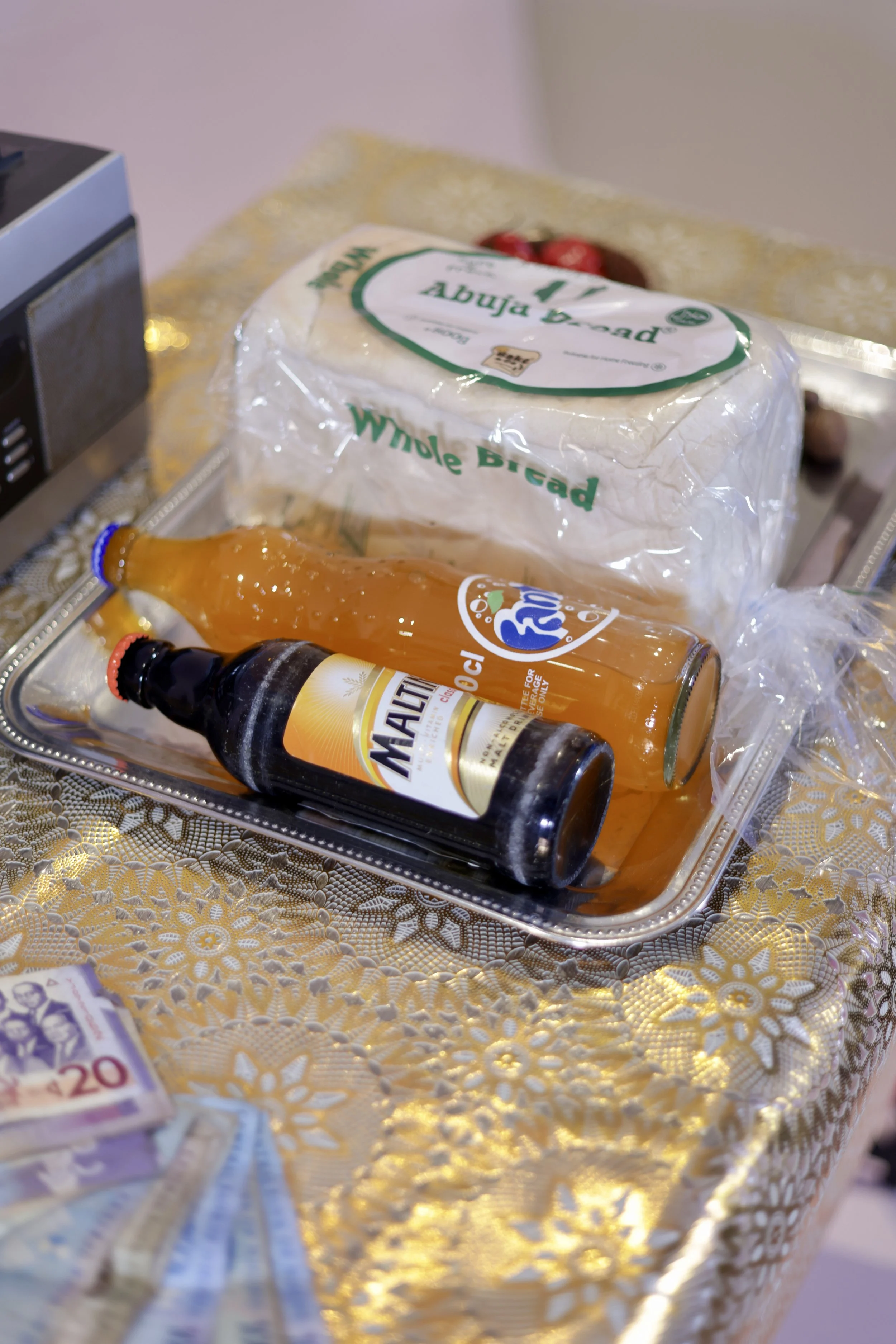
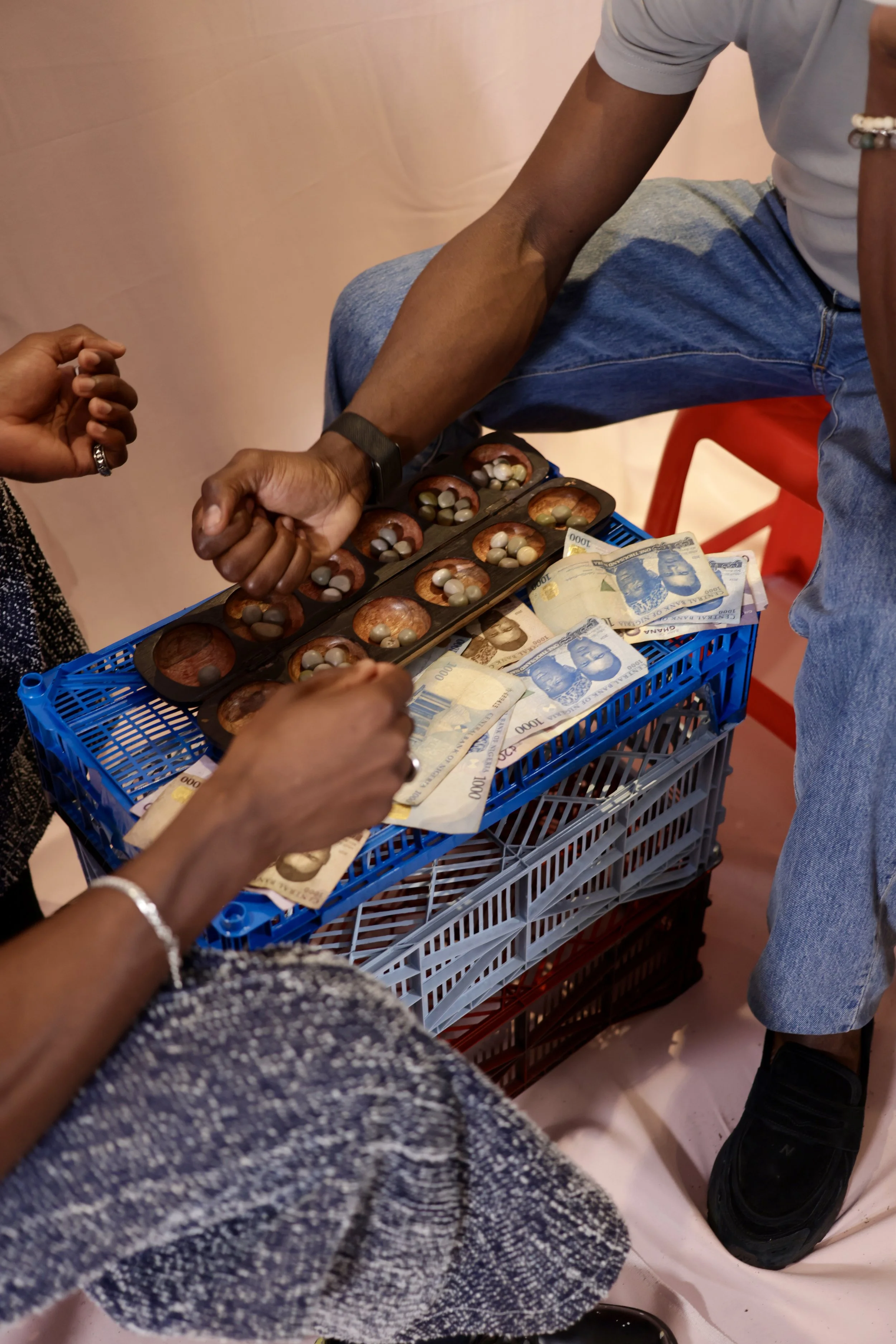
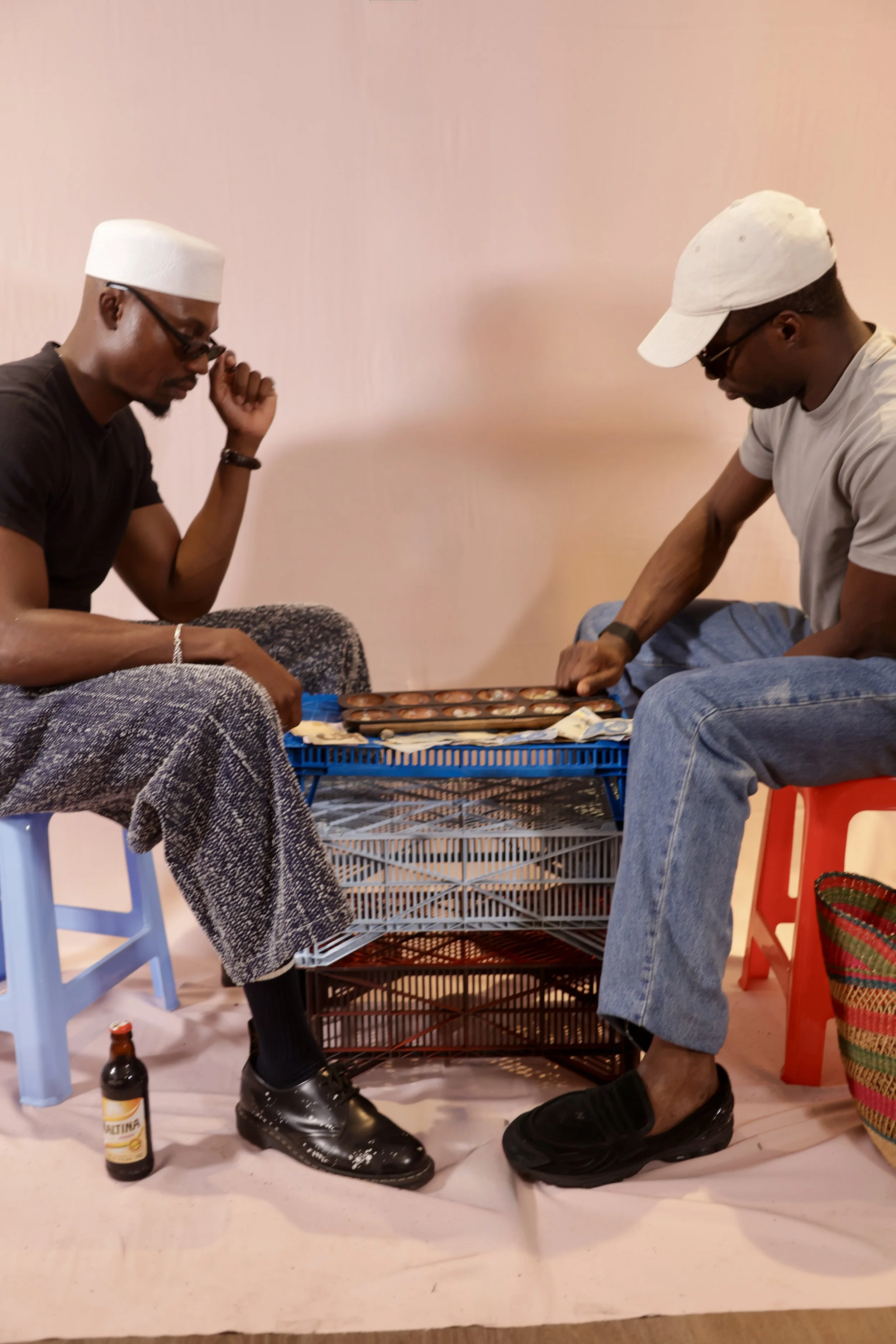
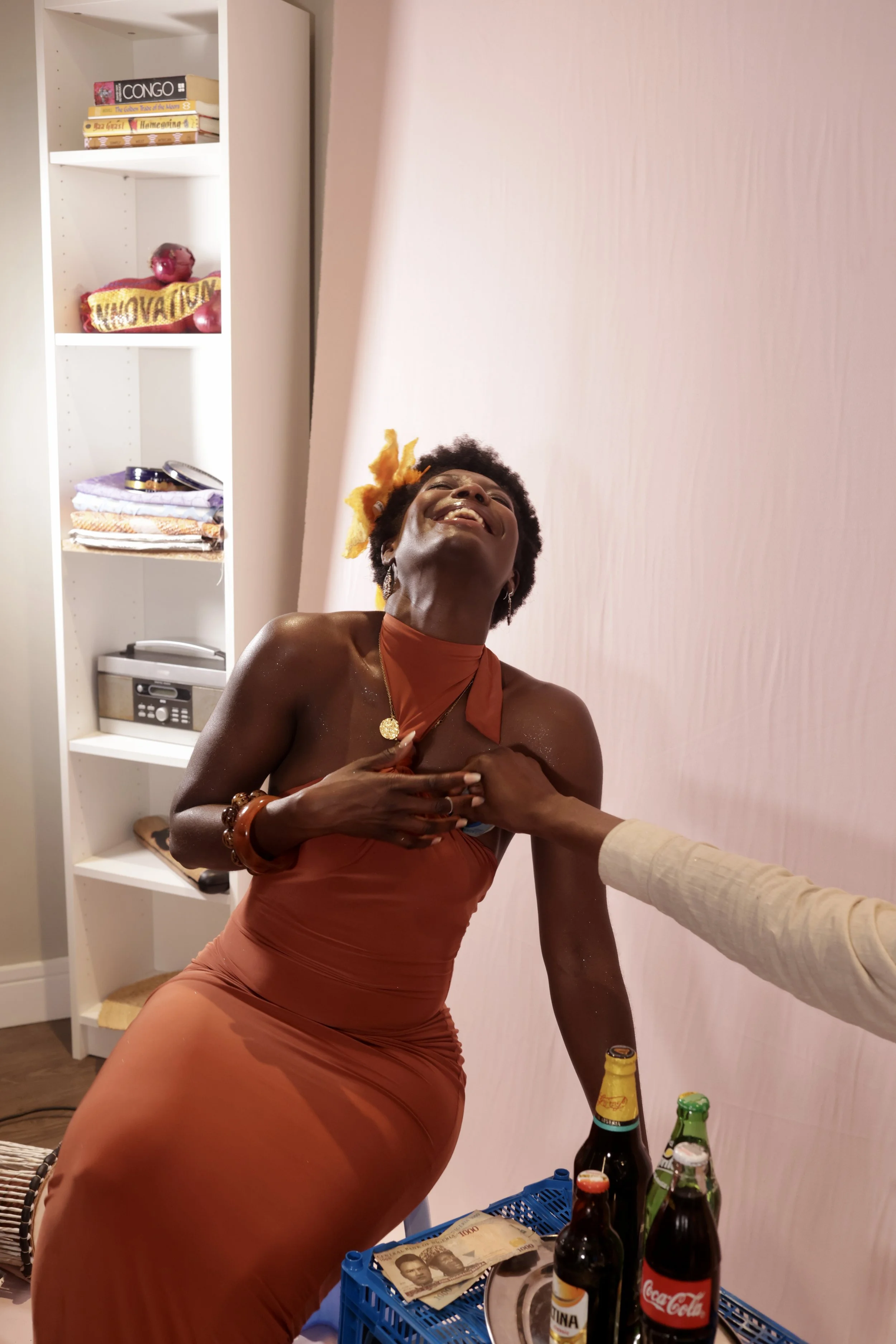
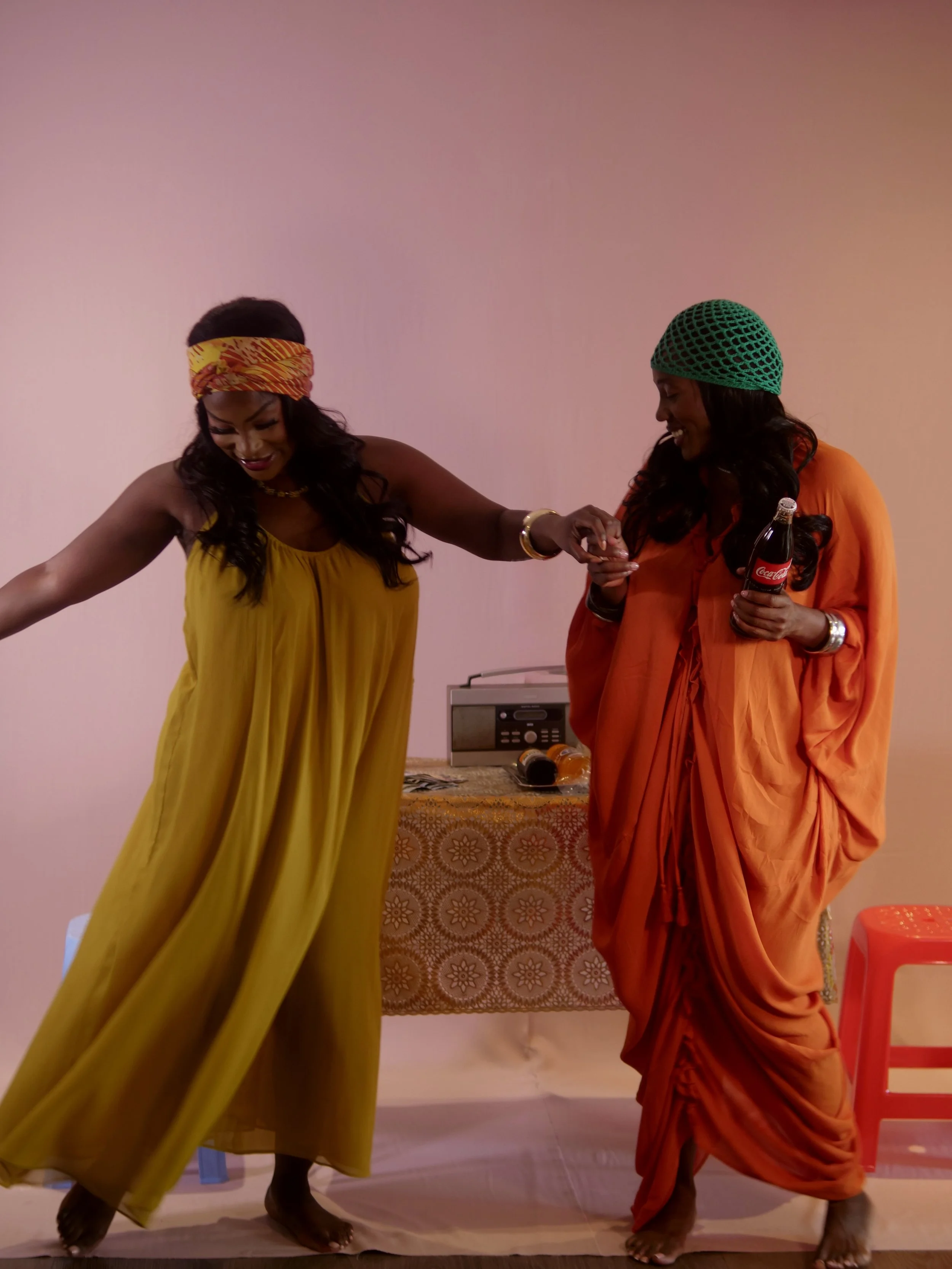
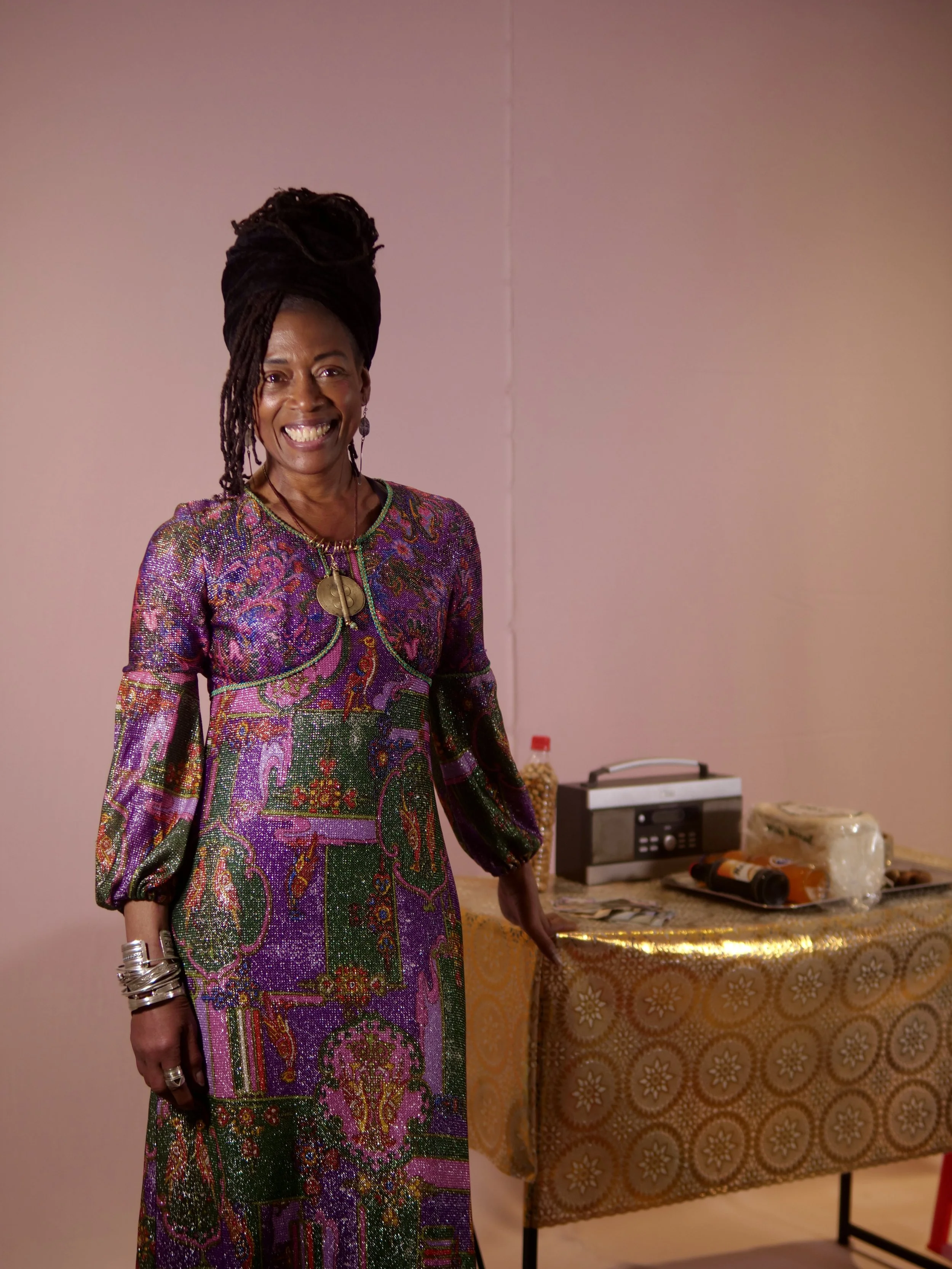
For us, African vintage is less about a specific decade and more about a feeling. It’s the visual language of the homes and gatherings many of us remember growing up around. Patterned cloth. Drinks in crates. Standing fans. Old radios. Objects kept and reused. Things brought from home and adapted to a new life here. It marks a period when African culture was being lived in a new environment — first through adaptation and making things work, and then gradually through the influence of life in Europe. The culture remained African, but the way it was expressed began to shift, creating something new in the space between the two worlds. That meeting wasn’t always seamless. There was adjustment, pride, embarrassment, resourcefulness, assimilation and a lot to figure out. For a lot of us, there was a time when being African didn’t always feel cool. Some of these references were things we wanted to move away from.
Now, with more cultural awareness, self-love and pride, we can return to them differently. We can remember them. Celebrate them. Even embody them.
Because what came after is part of the story too — the music, art, food, style and ways of living and thriving that continue to evolve from that foundation.
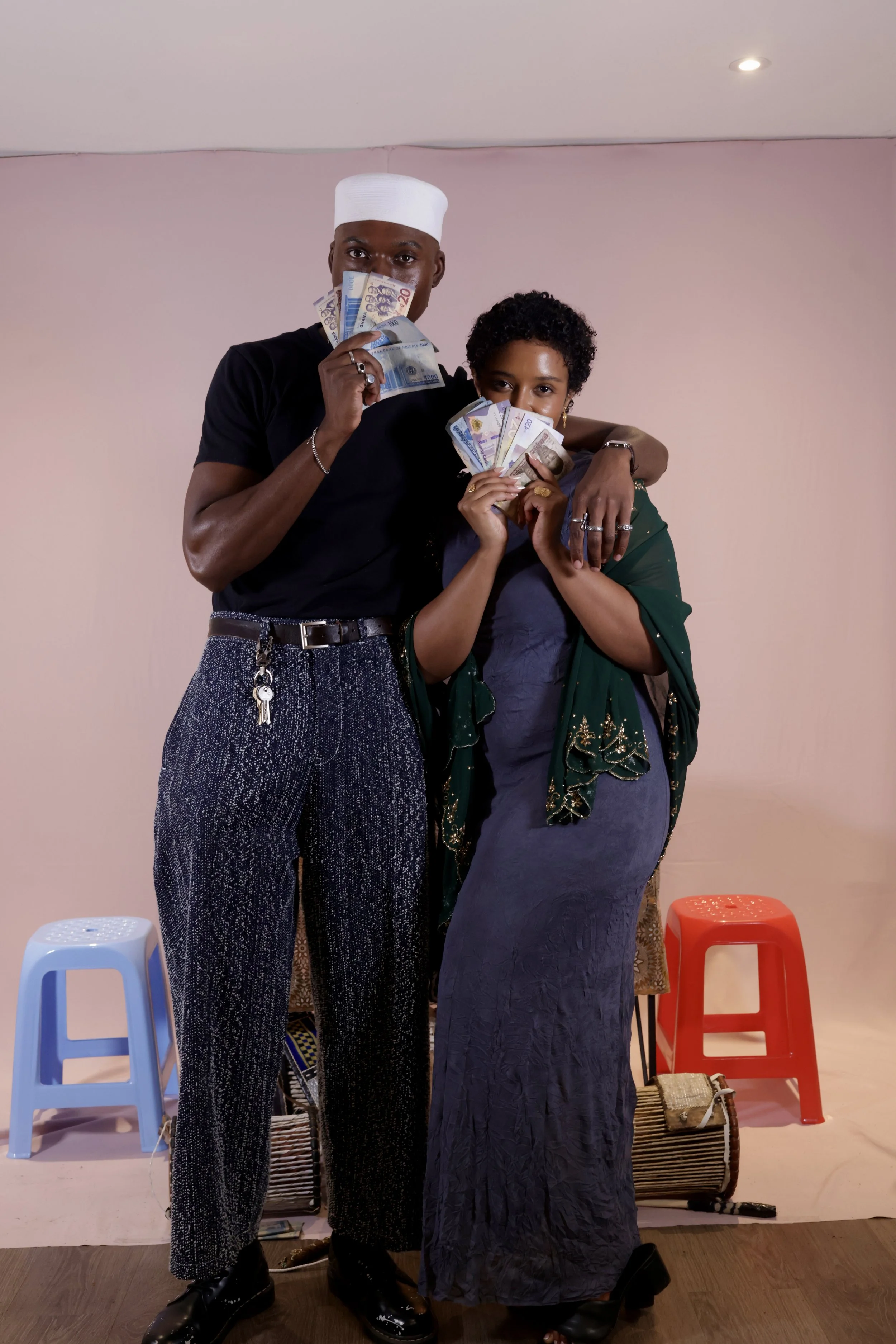
For this installation, we wanted to bring some of those references back into the room. Not as nostalgia for nostalgia’s sake, but as a way of looking at what was carried, what changed, and what was created in between.
THE SHARED CANVAS
The blank canvas reflects what London was at the beginning of the African diasporic journey for so many of our families.
A new space to arrive in. To navigate. Adapt to. Build within. Eventually, make home. Over time, African communities have left their mark on the city through music, food, art, style, language, business and everyday life- adding colour, culture and new ways of seeing and creating.
The shared canvas takes that idea and makes it something we can all contribute to. Everyone is invited to leave something of themselves behind.
A colour. A word. A symbol. A shape. Or simply a mark that feels true in the moment. It doesn’t need to explain anything. It doesn’t even need to make sense.
It can be instinctive. A scribble. A line. A small piece of you. By the end of the evening, all of those individual marks become one shared piece of work — a memory of the night and a reflection of what this gathering is really about.
Different people. Different stories. Different versions of home.
All creating something new together.