

How We Turned Coffee Into an Installation
Coffee has become so familiar that it’s easy to forget how much history sits behind it.
For most of us, it’s part of a routine. Something picked up on the way to work, ordered without much thought, or consumed between meetings. But the more we looked into the story of coffee, the more we found ourselves drawn to everything surrounding it: the rituals, ceremonies, conversations, and communities it helped create.
Making Coffee Slow Again began with a simple curiosity: what happens when we stop thinking about coffee as a drink and start thinking about it as a cultural object?
Rather than presenting that history through words alone, we wanted to bring it into the room. The experience was designed as a series of environments inspired by the journey of coffee across cultures and generations. Guests moved through spaces that explored coffee not only as something consumed, but as something that has shaped rituals, conversations, creative exchange, and community.
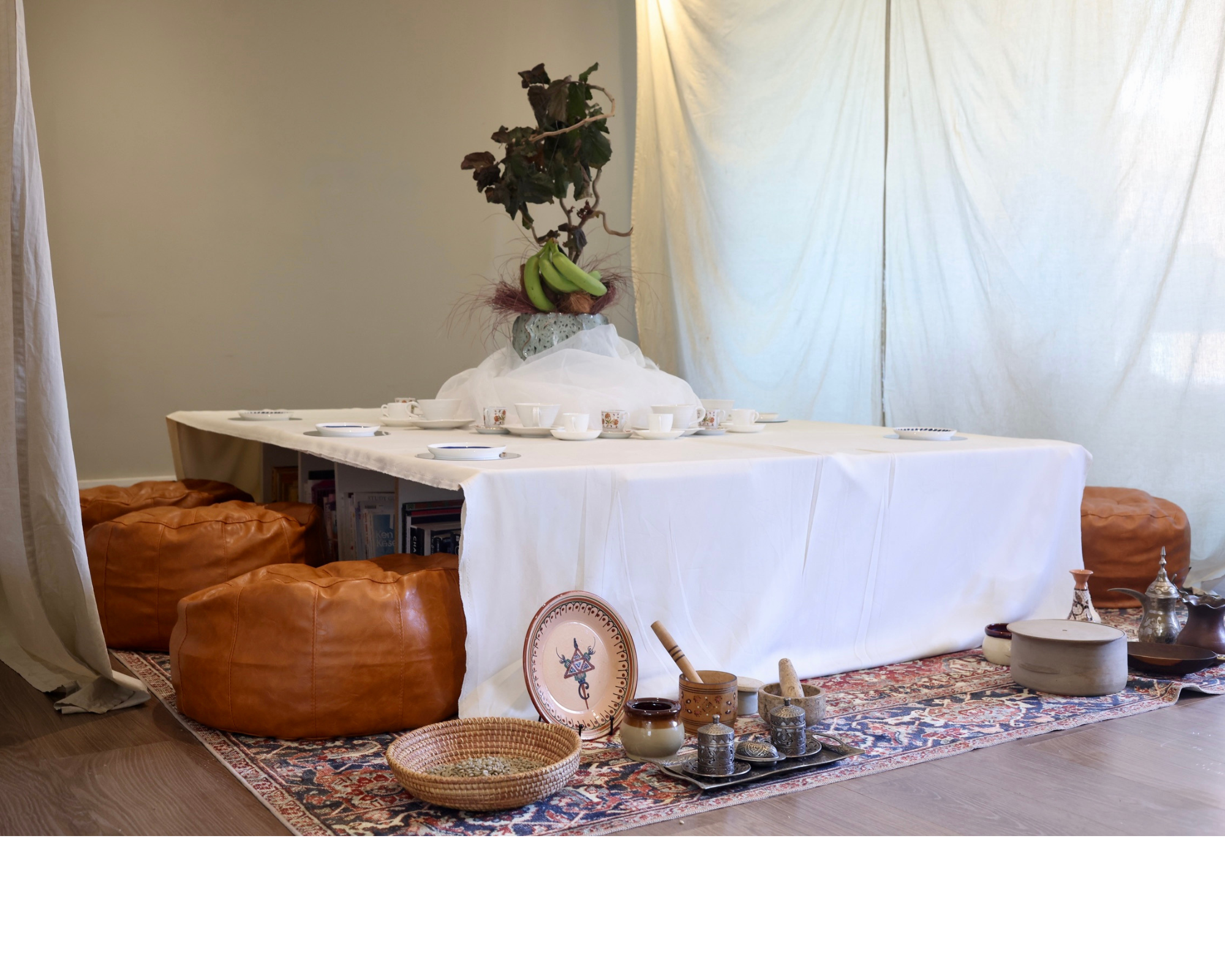
At the centre of the room sat a low table layered with coffee beans, traditional serving vessels, clay objects, natural materials, and handmade pieces sourced during our research. Surrounding it were floor cushions and low seating, encouraging guests to physically slow down and engage with the space differently.
The inspiration came from coffee’s earliest traditions, where preparation was often just as important as consumption. Coffee was approached as a process, a ritual, and an act of hospitality.
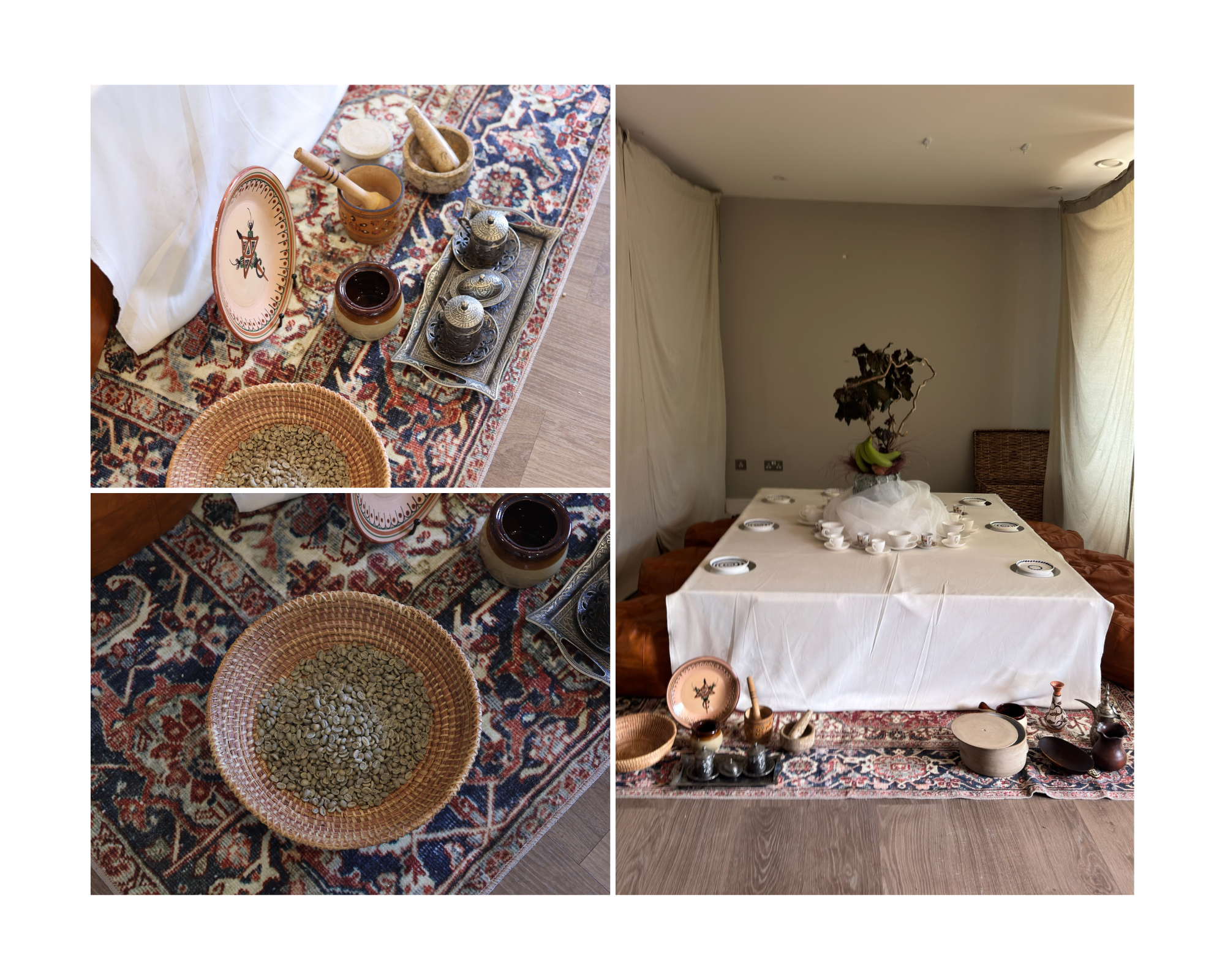
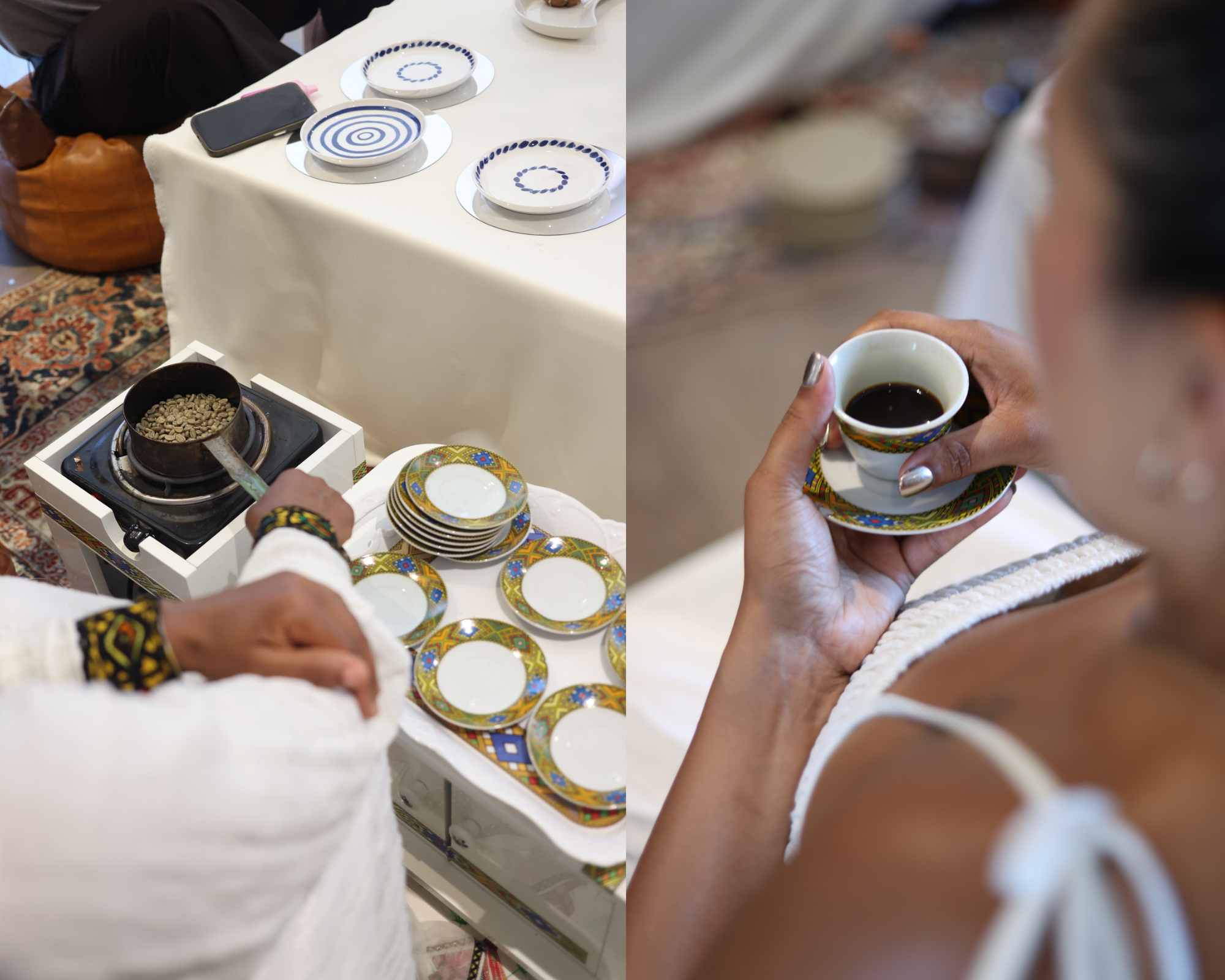
One of the most memorable moments of the afternoon was a traditional Ethiopian coffee ceremony led by Rahel. As coffee beans were roasted and shared around the room, we were reminded that coffee’s origins have always been deeply social. The ceremony reflected a tradition in which the preparation and sharing of coffee creates space for conversation, connection, and community. Long before coffee became associated with productivity, it was a reason to gather.
Researching the event also reminded us of one of the things we love most about London. Many of the coffee-making tools used throughout the installation were sourced from a small Ethiopian business in North London. Through that same community, we were introduced to the woman who would later lead the ceremony. In a city shaped by migration and cultural exchange, traditions that began thousands of miles away continue to exist within everyday neighbourhoods. For us, that has always been one of London’s greatest gifts.
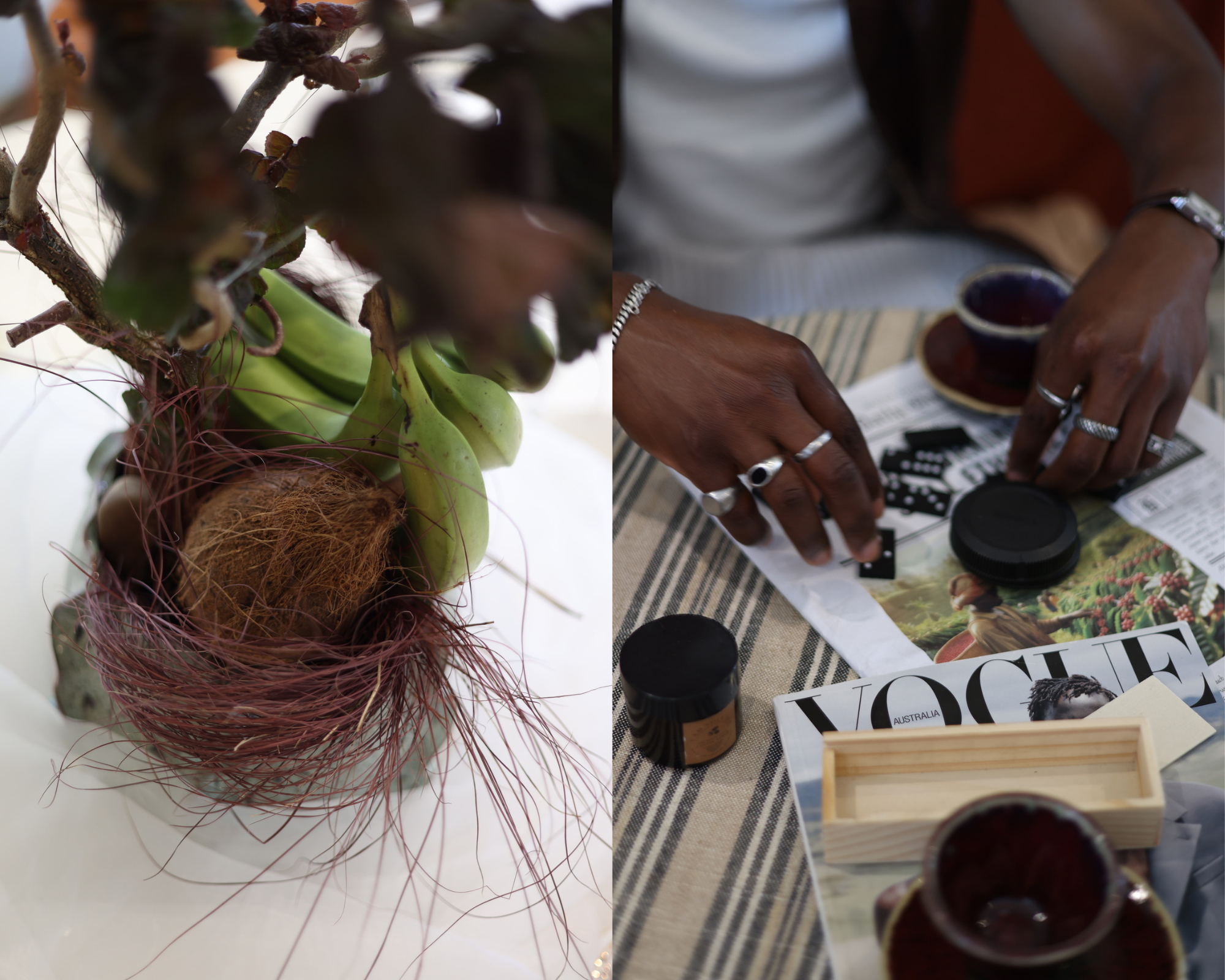
As coffee travelled beyond its origins, it became connected to new forms of gathering. Inspired by traditions of reflection and contemplation associated with coffee culture, guests were invited to engage with a series of prompts placed throughout the space. These encouraged conversations around creativity, ambition, identity, and personal growth, transforming the act of drinking coffee into something more participatory.
Elsewhere, newspapers, books, dominoes, and games referenced the role coffee houses have historically played as places of discussion and exchange. Throughout history, coffee houses became spaces where people gathered not only to drink coffee, but to share ideas, debate politics, tell stories, and spend time together.
We wanted to recreate a small part of that atmosphere. Coffee’s influence extended beyond food and drink. Throughout the afternoon, guests were also introduced to coffee as a skincare ingredient through a demonstration by Leah, founder of I Am Soft Sea. Using a coffee scrub made with natural ingredients, she shared how coffee has long been used in body care rituals, with its exfoliating properties helping to remove dead skin cells and leave skin feeling smoother and refreshed. It offered another perspective on coffee’s cultural and practical significance beyond what we consume.
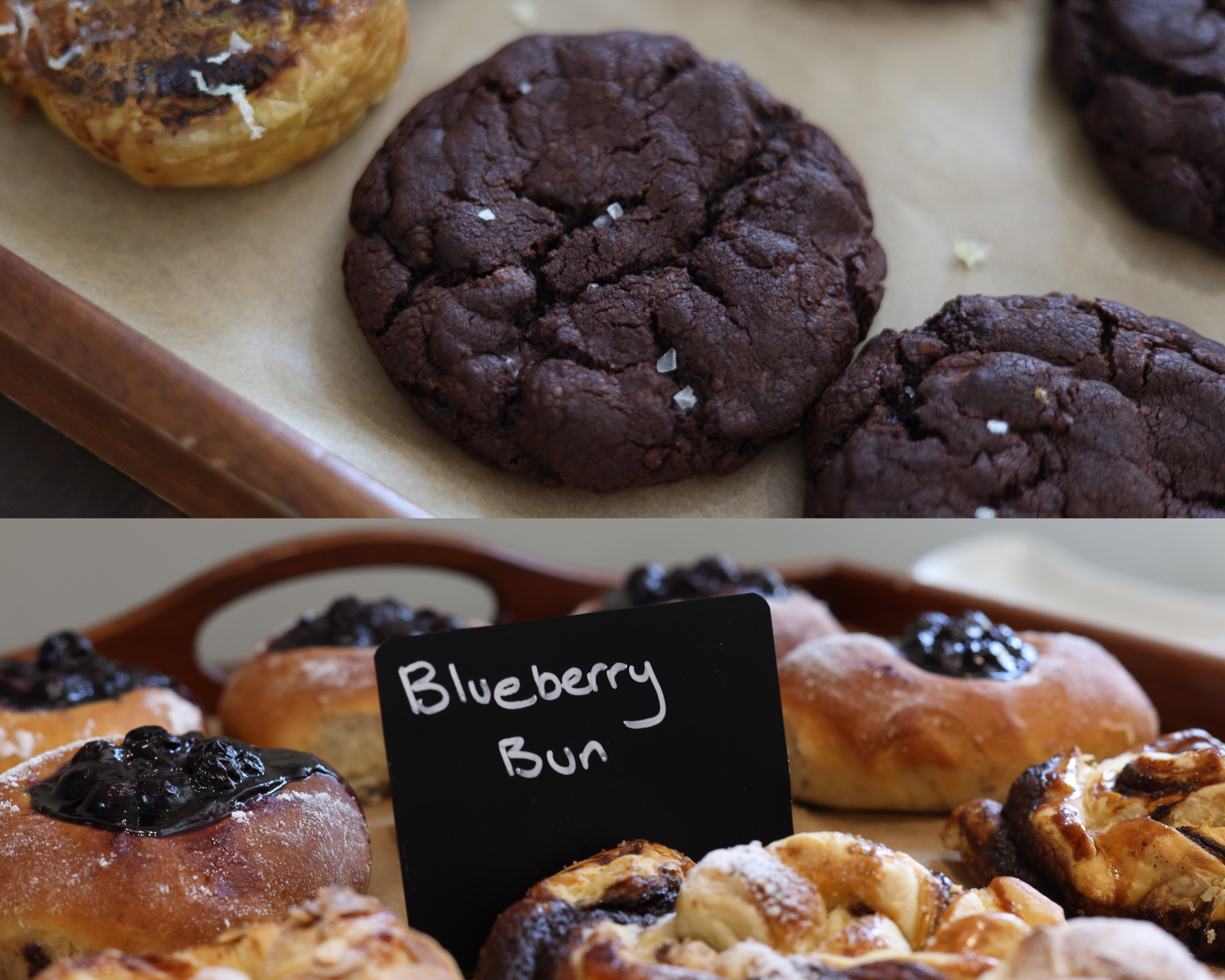
Food formed an extension of the concept rather than a separate element. Coffee remained at the centre of the experience, accompanied by cakes inspired by European café culture and the traditions that emerged as coffee spread across the continent. Fresh juices provided balance on one of the hottest days of the year, offering something lighter alongside the richness of the coffee and pastries.
One unexpected favourite from the menu was the plantain ice cream. Inspired by ingredients familiar to us and the wider cultural influences that shape Serveè, it was topped with chin chin, a crunchy West African fried pastry often enjoyed as a snack. By the end of the afternoon, it had become one of the most talked-about dishes on the table, so we’ve included the recipe for anyone who would like to recreate it at home.
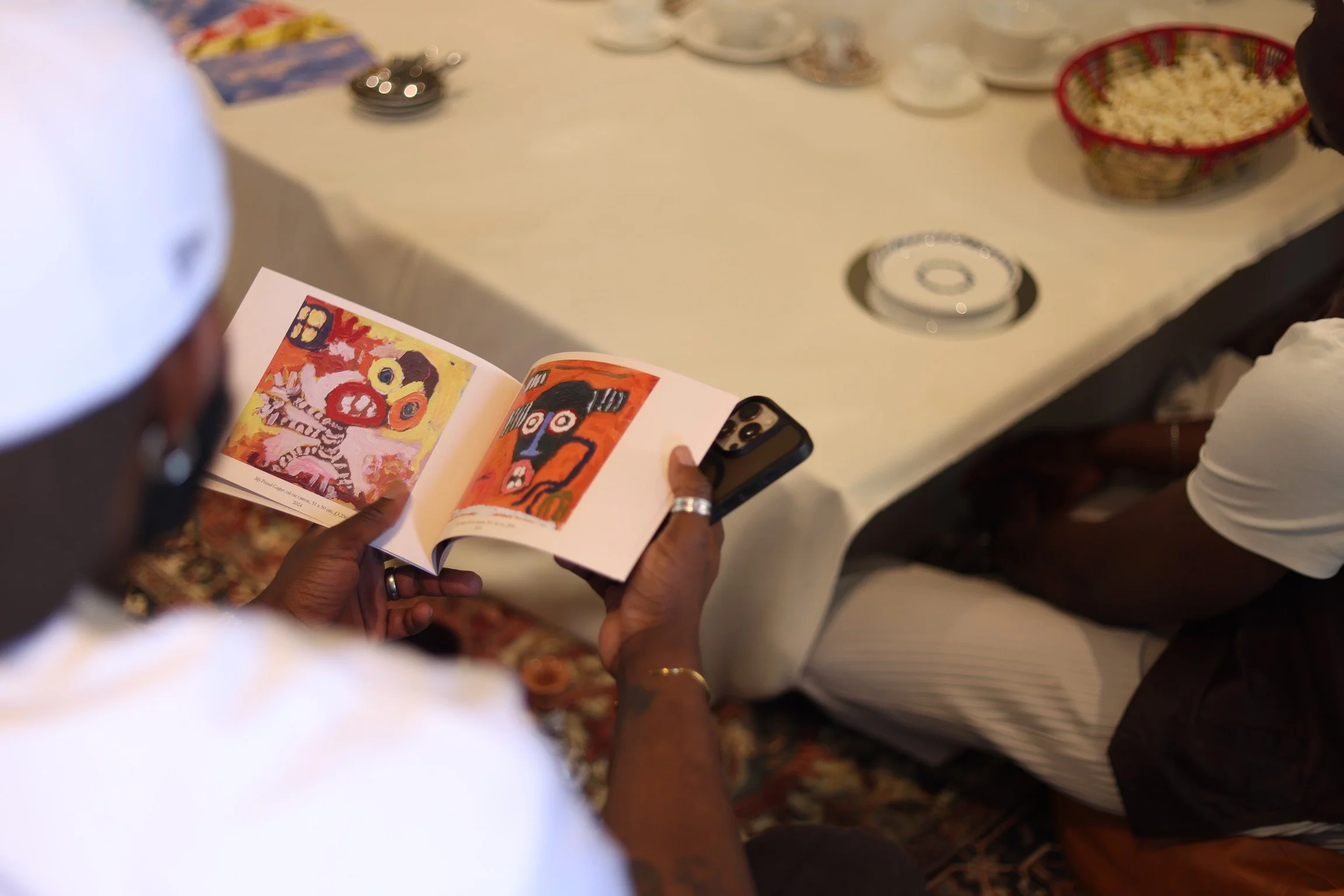
The experience was further enriched by the presence of Boyd Bishonga and his debut international solo exhibition.
While we’ll share more about Boyd’s work in a separate feature, his reflections on authenticity, identity, and self-expression echoed many of the conversations taking place throughout the afternoon. His work became another reminder that the most meaningful gatherings are often the ones that leave space for people to share ideas openly and honestly.
Looking back, the event felt like a full-circle moment for Serveè. One of our earliest gatherings involved transforming our flat into a café for an event called Coffee at 3. Years later, we found ourselves returning to the same subject, but through a very different lens. What started as a curiosity about coffee had evolved into an exploration of ritual, migration, culture, creativity, and community.
Making Coffee Slow Again was never really about coffee. It was about everything coffee has made possible.The conversations it sparked. The rituals it inspired. The communities it brought together. The stories it carried across continents and generations.
More than anything, it was a reminder that behind every ingredient, object, and tradition is a human story waiting to be shared.
Photos by: @empyrean.films