

Hosting, Taste and Creating Something People Feel
Some things don’t start with a plan, they begin with a feeling. That’s very much how Serveé came to be.
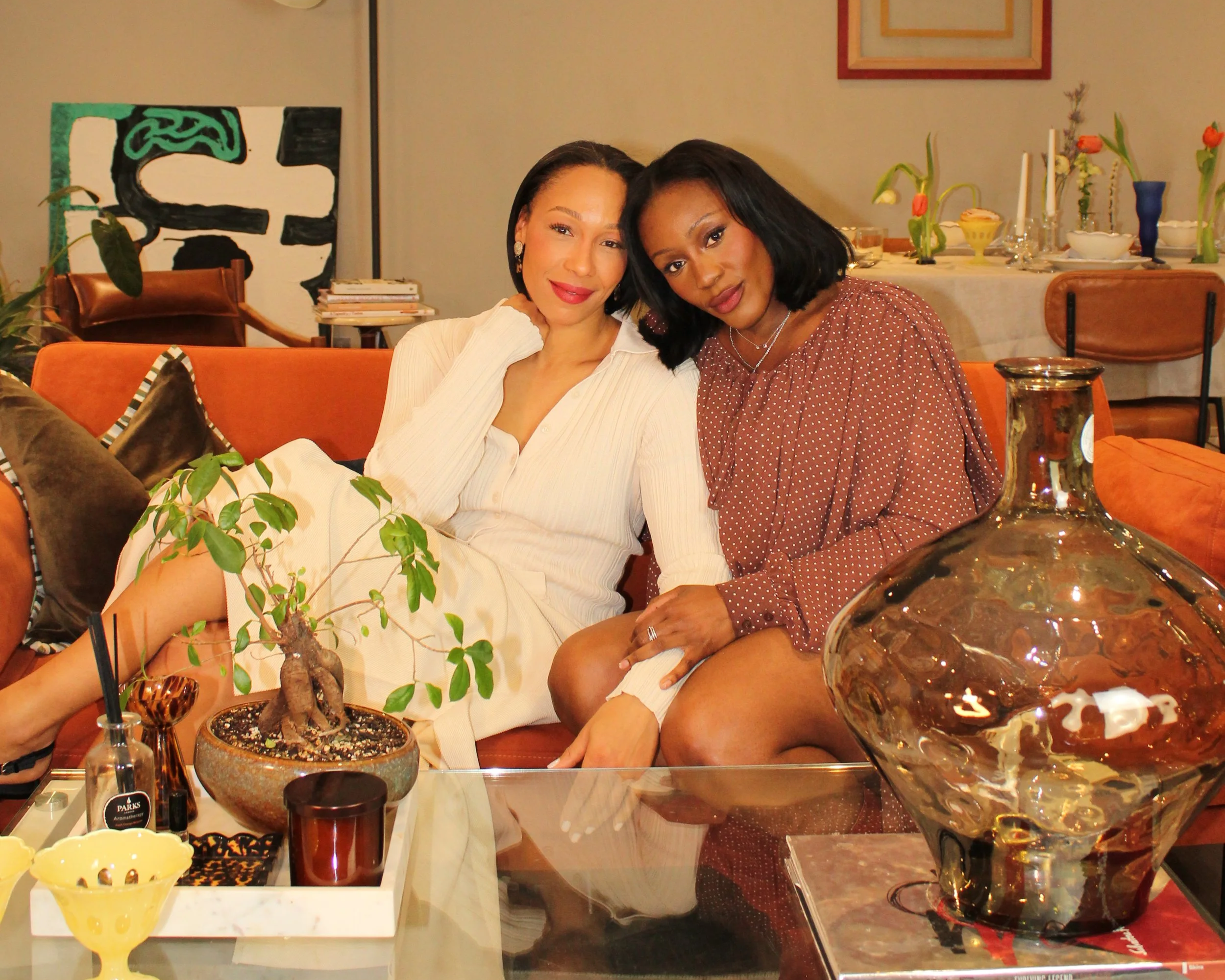
How did Serveé begin?
It started in a way that felt completely natural, long before there was a name or any real intention behind it. Just two women sharing a home, shaping their space into something that felt like a pause from London, softer, slower, more considered. Food was never the focus, at least not at first. It simply became part of the rhythm. Cooking, eating, and inviting people in. Over time, something shifted. People came back. They brought others with them. What started as something personal, almost private, gradually became something people wanted to be part of, and without forcing it, Serveé began to take shape.
What does hosting mean to Serveé?
It’s an expression of love, but not in an obvious or overstated way. It’s in the details. Anticipating what someone might need before they ask. Creating a sense of ease that feels almost unspoken. It’s very different from a restaurant setting, where there’s a clear turnover, a set time to sit, eat and leave. For us, it’s about bringing people together in a way that feels personal and unhurried. There’s a creative layer to it too. Each table, each group, each moment carries a slightly different energy and the way we host shifts with it. In that sense, hosting becomes its own kind of language, rooted in care, intuition, and attention.
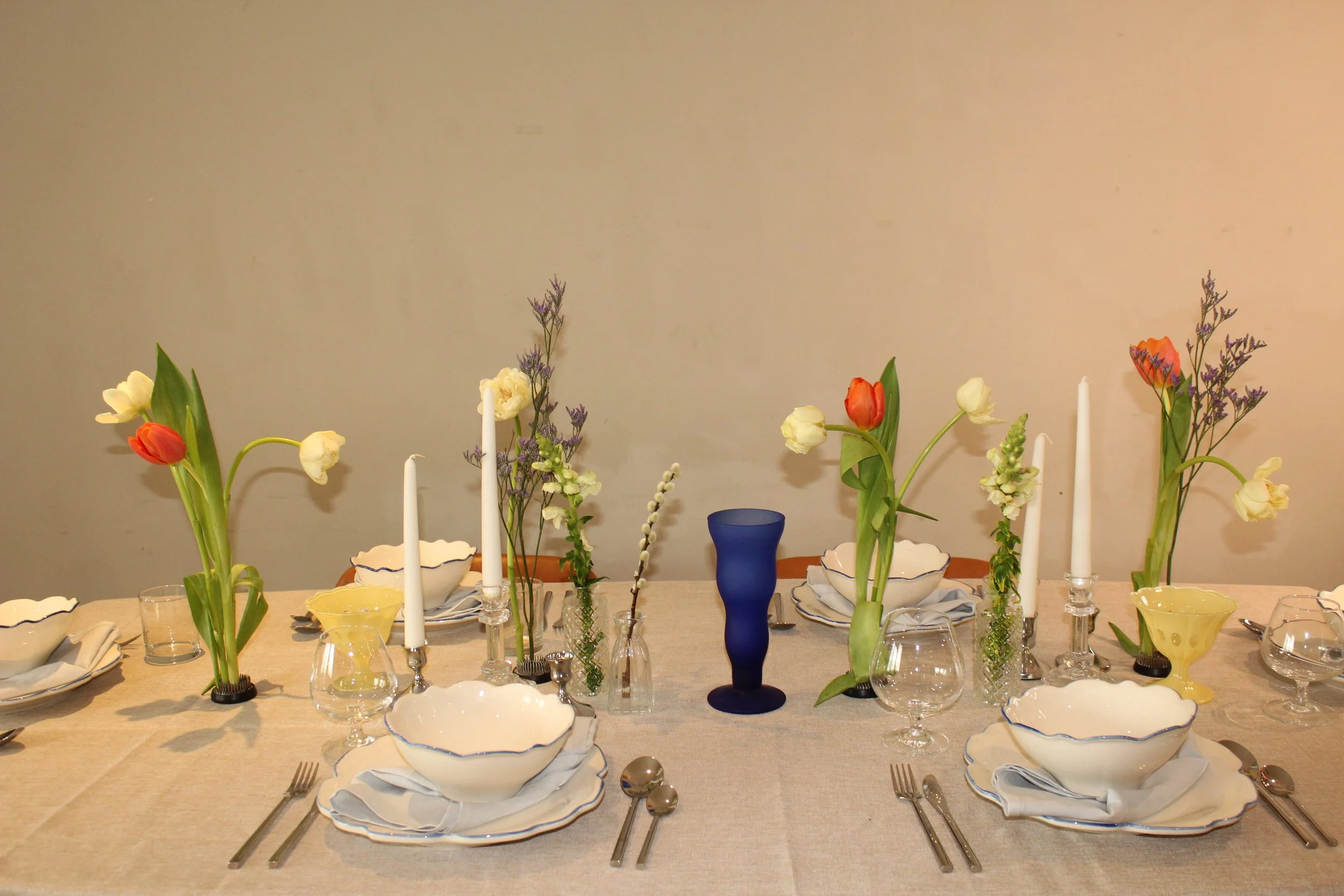
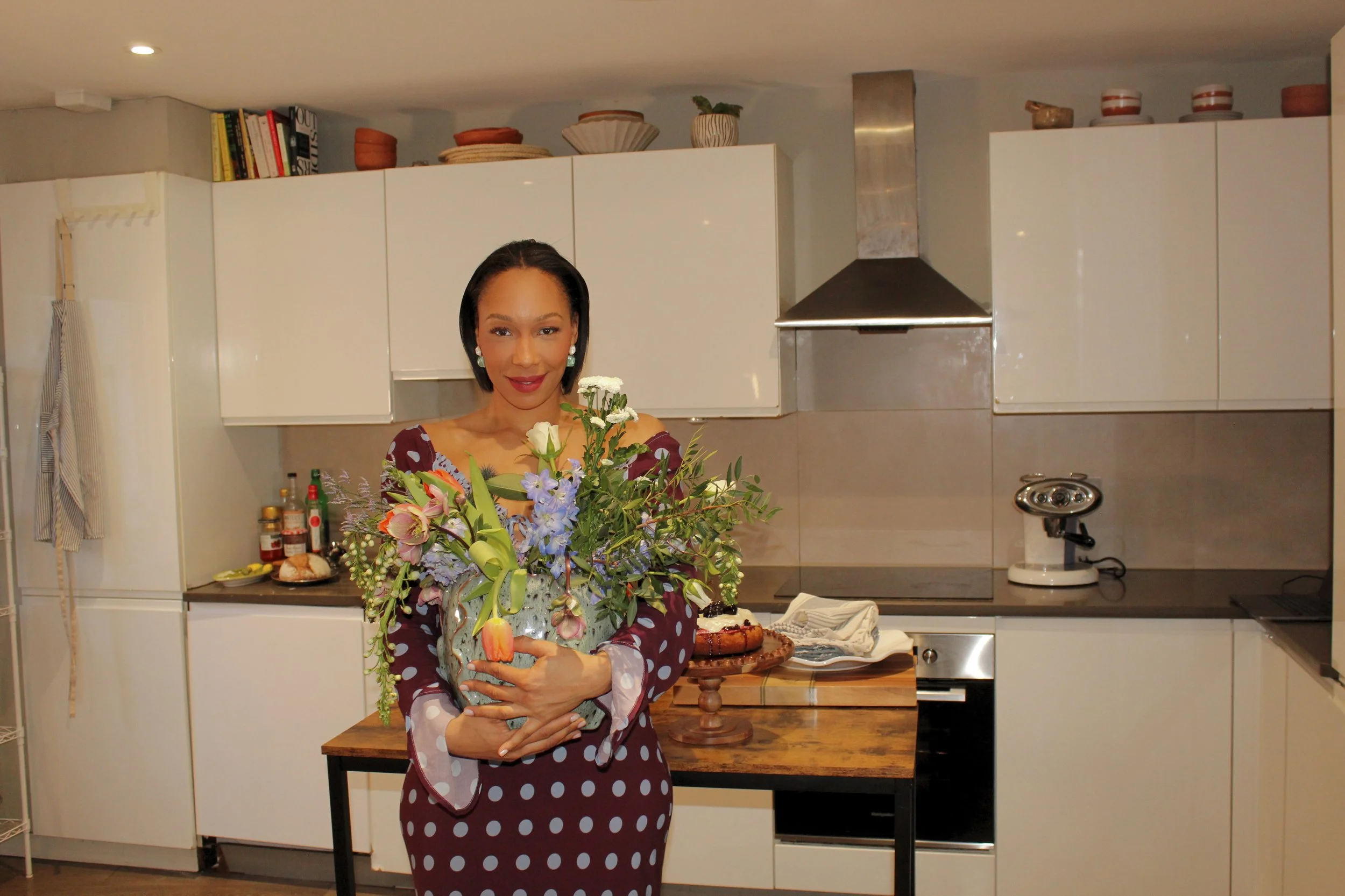
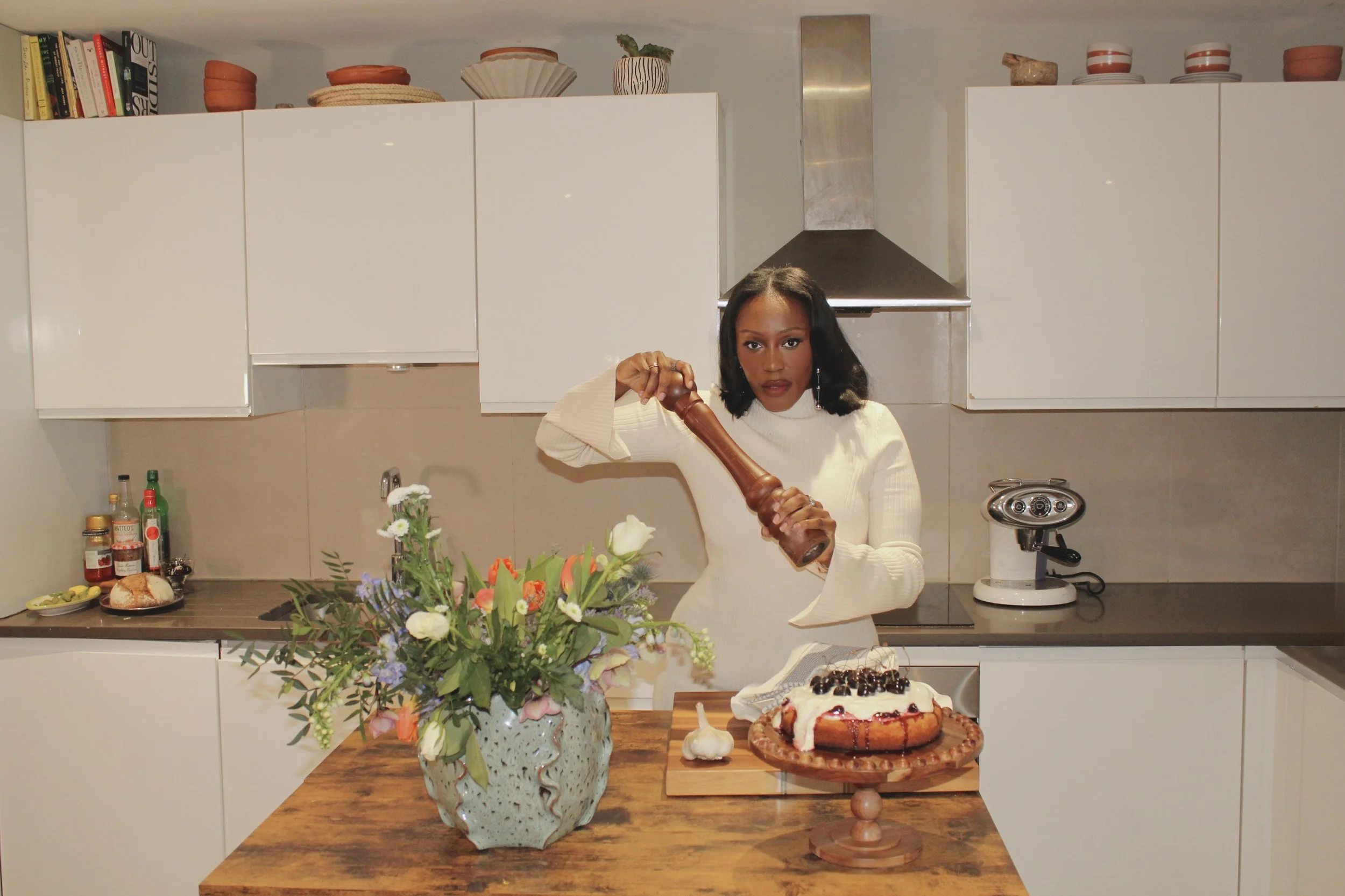
How do you decide what goes on a menu?
It usually starts simply sitting together, sharing ideas, seeing what feels right. Farida naturally leans towards innovation, drawing inspiration from restaurants, supper clubs, design, and broader cultural trends. Linda, on the other hand, is drawn to simplicity, the kind that lets ingredients speak for themselves. Something as minimal as a cucumber with salt, done well, is enough. That contrast creates balance. It’s not about being overly technical or traditionally “refined” it’s about having a clear point of view and trusting it. Seasonality plays its part, of course, but often it’s even more instinctive than that. Sometimes the menu reflects exactly what we have been eating ourselves.
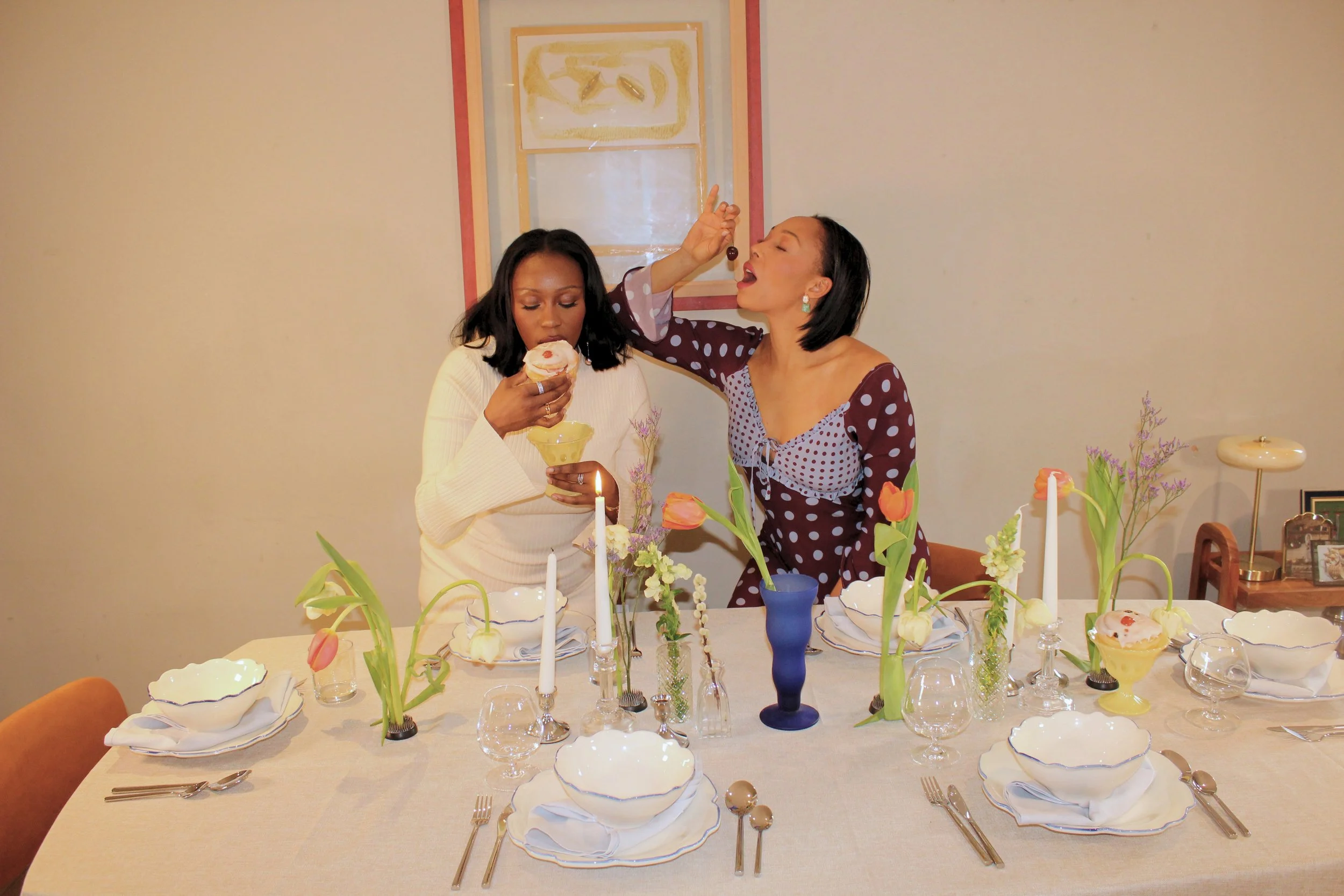
How do you translate a brand into an experience?
There’s a growing shift towards experience-led living, something we’re deeply aware of. People aren’t just looking to eat or buy anymore; they want something they can connect with, something that stays with them. At the same time, there’s a sensitivity to anything that feels generic. People notice when something lacks intention. For Serveé, it starts with understanding a brand’s world, its ethos, audience and how it wants to be perceived. From there, it becomes about translating that into something tangible. Food, atmosphere, and detail become tools to express a feeling. In many ways, they act as a bridge connecting brand and audience through experience, making that relationship feel natural rather than constructed.
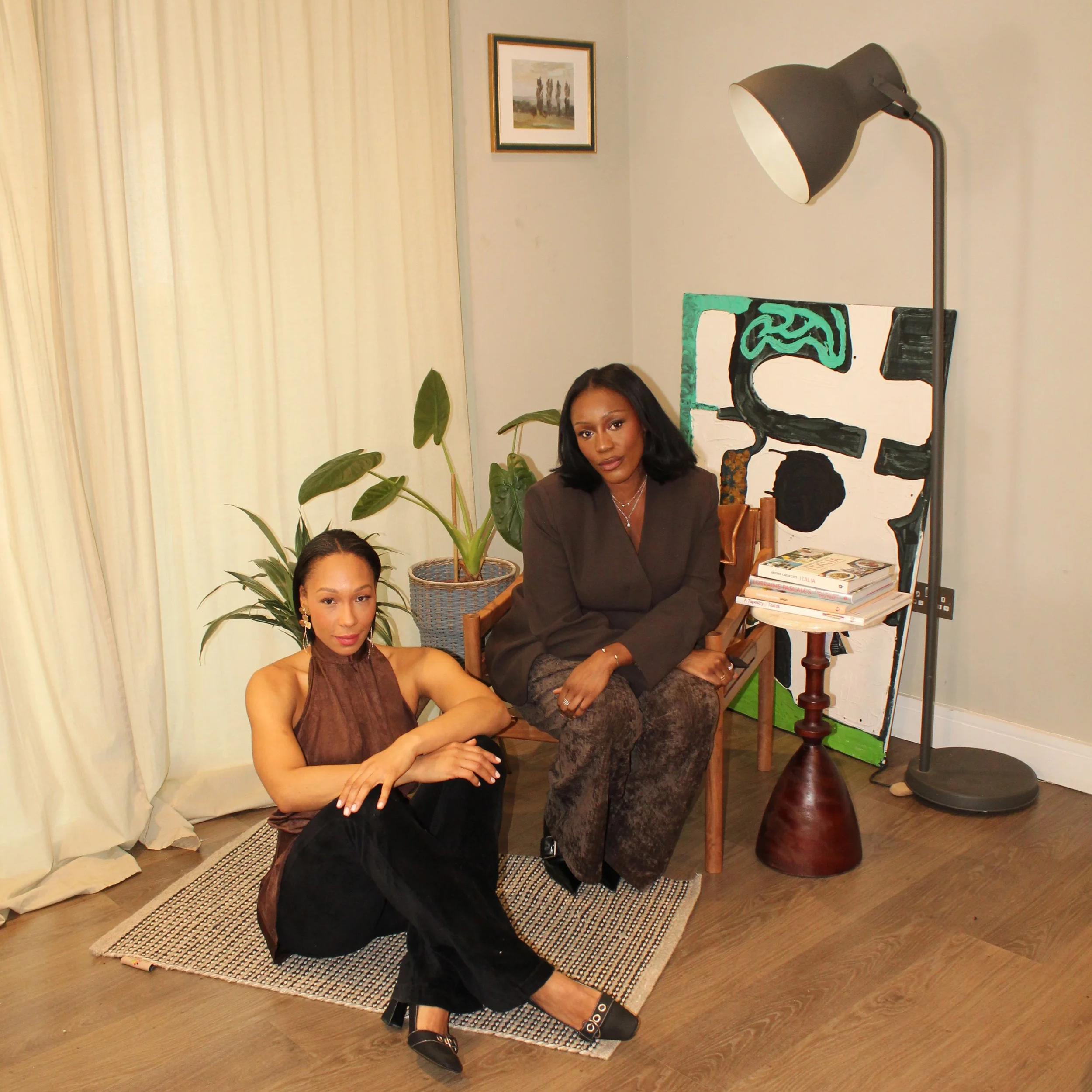
What kinds of projects do you want to move into next?
We’re interested in moving further into creative direction, especially where we can close the gap between how a brand presents itself and how it’s experienced. That might mean working with food brands to make them feel more personal, supporting restaurants through thoughtful menu curation, or shaping environments where food becomes part of a wider visual and spatial story. We naturally lean towards fashion, design, culture, and hospitality, spaces where experience matters most. Whether it’s collaborations, campaigns, or more immersive concepts, the intention stays the same to create something that feels considered, human, and memorable.
Photographs by Anthony Oye